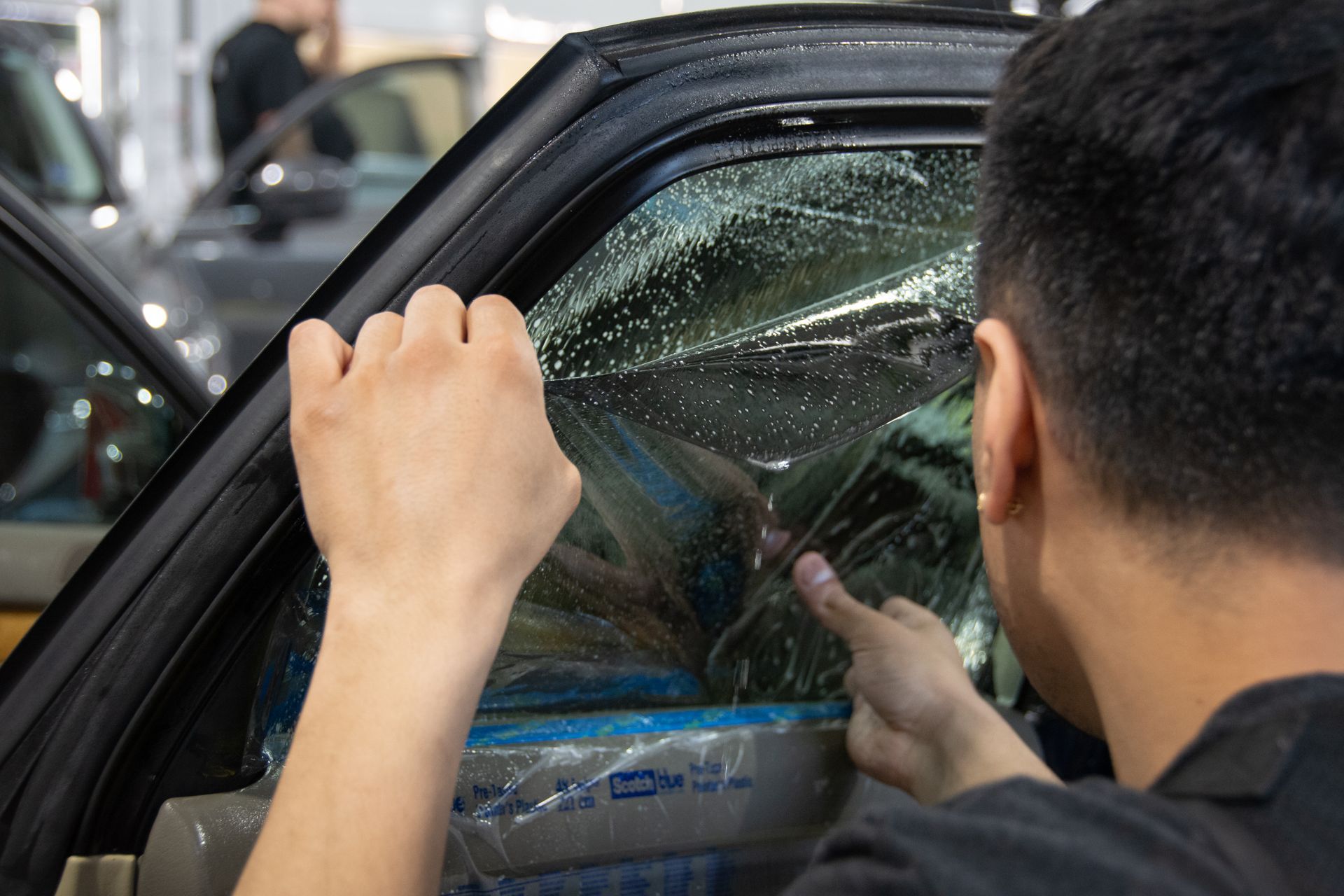
High-Gloss Enhancement Effects of Modern Auto PPF: Technology, Durability, and Paint Protection
When it comes to keeping your car looking fresh and new, the shine of its paint matters more than you might think. Many people assume that protecting paint means sacrificing that deep, glossy finish, but modern paint protection film (PPF) proves otherwise. Advances in materials and coatings now allow PPF not only to guard your vehicle against scratches and chips but also to enhance its gloss, giving your ride a brighter, richer look. This article explores how today's auto PPF works to maintain and even improve that showroom shine over time.
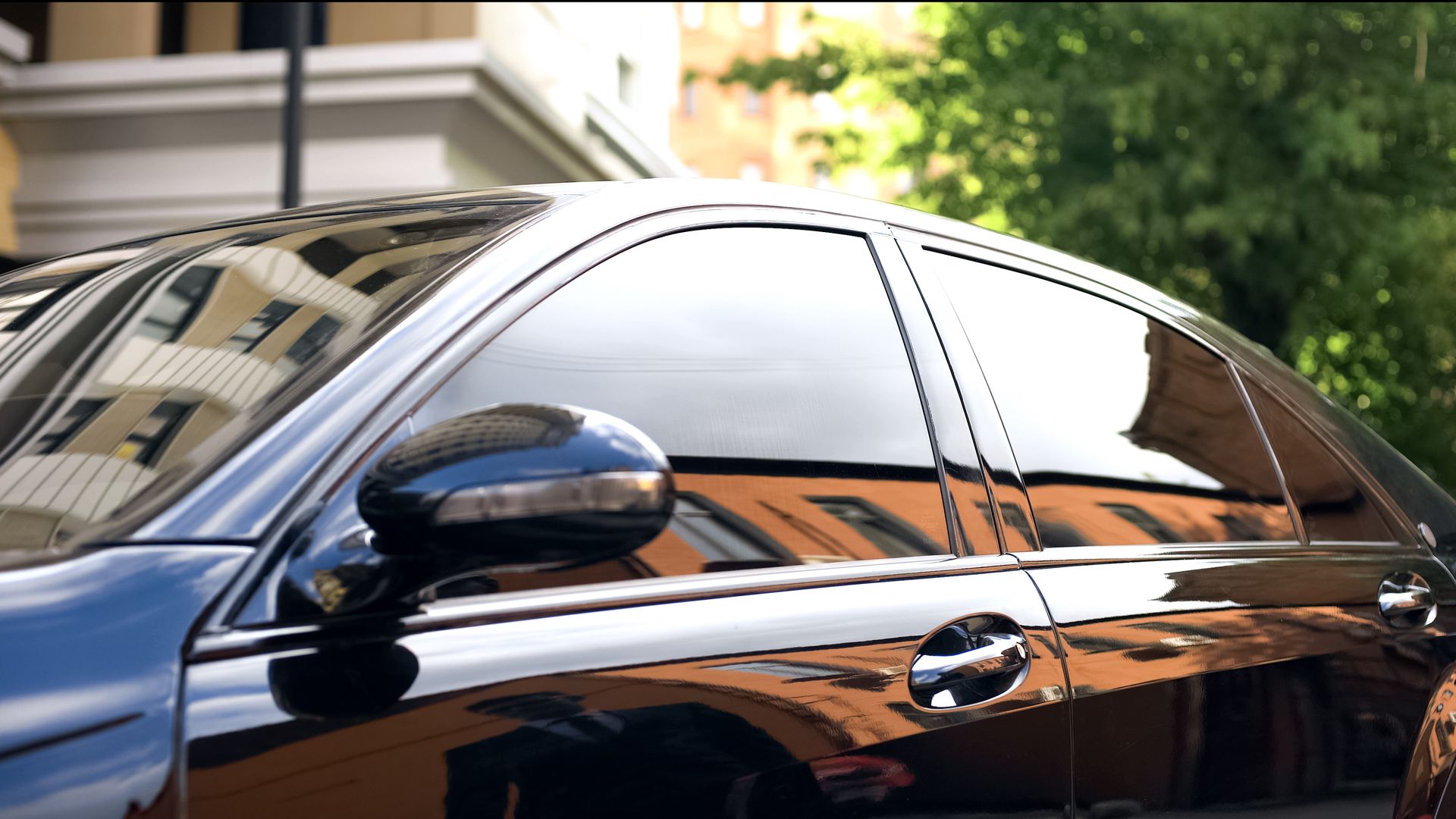
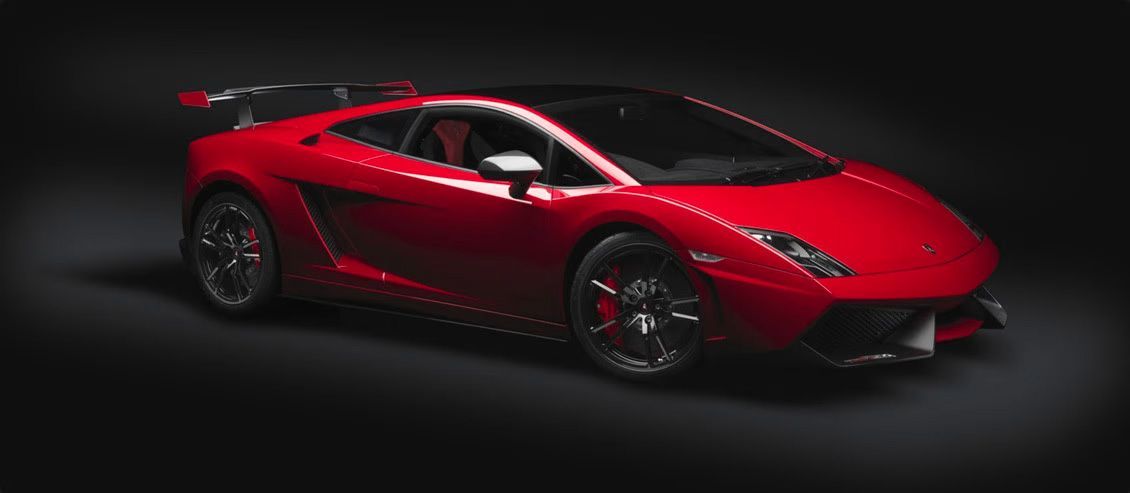
Modern auto PPF typically has a minimal to imperceptible effect on a vehicle's high-gloss finish, especially on lighter-colored cars where any changes in gloss are usually not noticeable. When combined with a ceramic coating applied over the PPF, owners often experience enhanced gloss and a deeper, wet-look shine that surpasses the original paint's appearance while providing superior protection against chips, scratches, and environmental damage.
Benefits of Using PPF for High-Gloss Enhancement
When you apply a high-quality PPF, you are not just adding a shield; you are effectively upgrading the look of your paintwork. Modern PPFs use advanced polyurethane infused with nano-ceramic coatings that noticeably boost surface gloss compared to untreated paint. The film smooths out microscopic surface imperfections, allowing light to reflect more evenly and giving your paint a deeper, richer shine.
Beyond enhancing gloss initially, the durability of these films means your car can maintain that glossy look for years longer than it otherwise would. Unlike wax or sealants that wear off quickly, quality PPFs retain clarity and gloss by resisting yellowing and scratches over time. Their hydrophobic properties also keep surfaces cleaner between washes, preserving that sleek appearance.
Another remarkable advantage is the self-healing function integrated into many modern films. Scratches caused by everyday driving, such as stray branches or minor abrasions, can disappear as the film heals itself when exposed to warm temperatures. This means your finish remains unblemished without constant attention or expensive repainting jobs.
For those serious about maximizing their vehicle's shine, combining PPF with a ceramic coating is often the recommended next step. While PPF protects the paint physically, ceramic coatings add an extra depth of gloss and increase surface reflectivity. This layered approach creates a wet look that is visually striking and long-lasting.
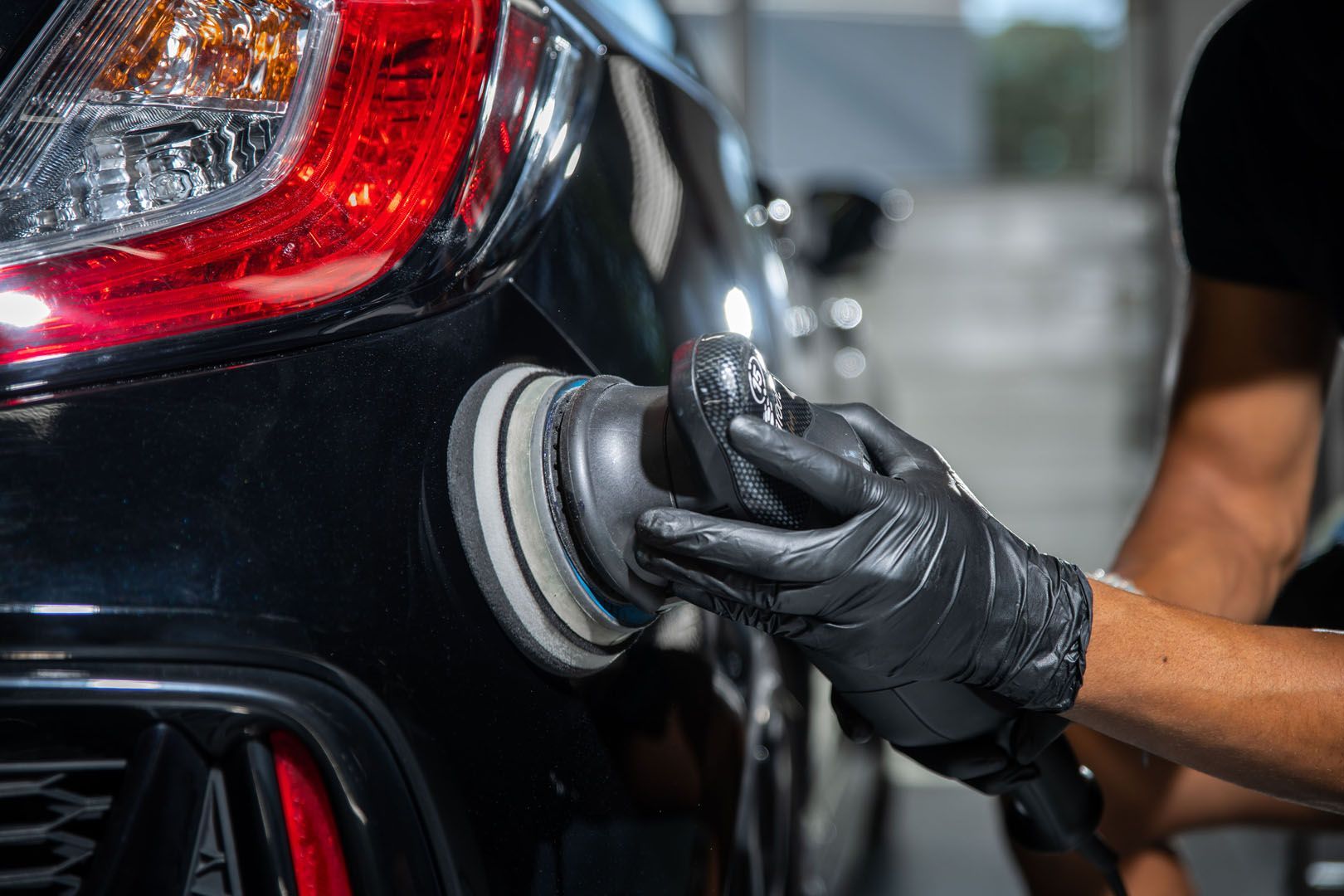
While some users notice a subtle dulling effect immediately after applying PPF, this is typically negligible and can be improved with professional detailing and proper ceramic topcoat application. On lighter vehicles such as whites and silvers, this effect is nearly imperceptible.
Different Types of PPF Materials
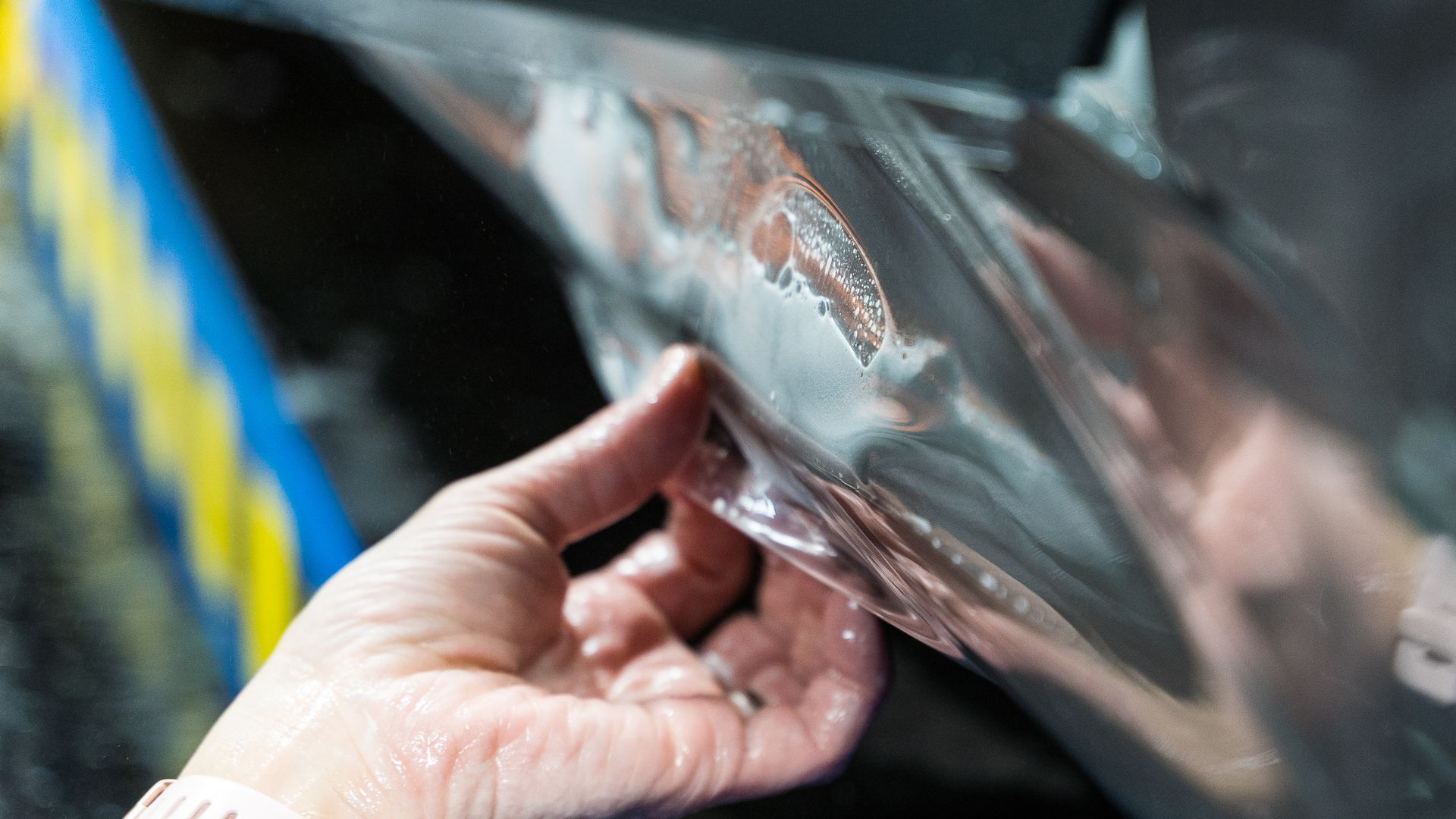
There are several types of paint protection films available, each engineered to meet varying demands.
- Thermoplastic Polyurethane (TPU): They stand out as the most widely used material. It is valued for its remarkable flexibility and resilience. One of its most impressive features is its ability to self-heal minor scratches when exposed to warmth, whether from sunlight or a gentle heat source. This means everyday abrasions that would otherwise dull your car's finish practically disappear, preserving that deep, wet-gloss look many drivers want. The elasticity of TPU allows it to conform to the contours of a vehicle, maintaining a smooth, seamless appearance. This adaptability also helps it resist cracking or peeling over time, ensuring the film absorbs impacts well without sacrificing clarity or gloss.
- Polyvinyl Chloride (PVC) Film: They take a different approach and it is often chosen for budget-conscious applications or short-term protection. While more affordable than TPU, PVC does not offer the same flexibility or self-healing properties. It tends to be more prone to yellowing or clouding after prolonged sunlight and environmental exposure, making it better suited for temporary applications or less demanding conditions.
- Ceramic-Infused PPF: They represent a significant evolution in the field. By embedding nano-ceramic particles within the TPU material, manufacturers improve scratch resistance, enhance UV protection, and add hydrophobic qualities, meaning water beads off more easily and helps maintain a mirror-like gloss for longer. Some modern formulations also incorporate nano-coatings that reduce surface friction and increase gloss reflectivity, pushing aesthetic appeal beyond what traditional clear films can achieve.
The PPF Installation Process
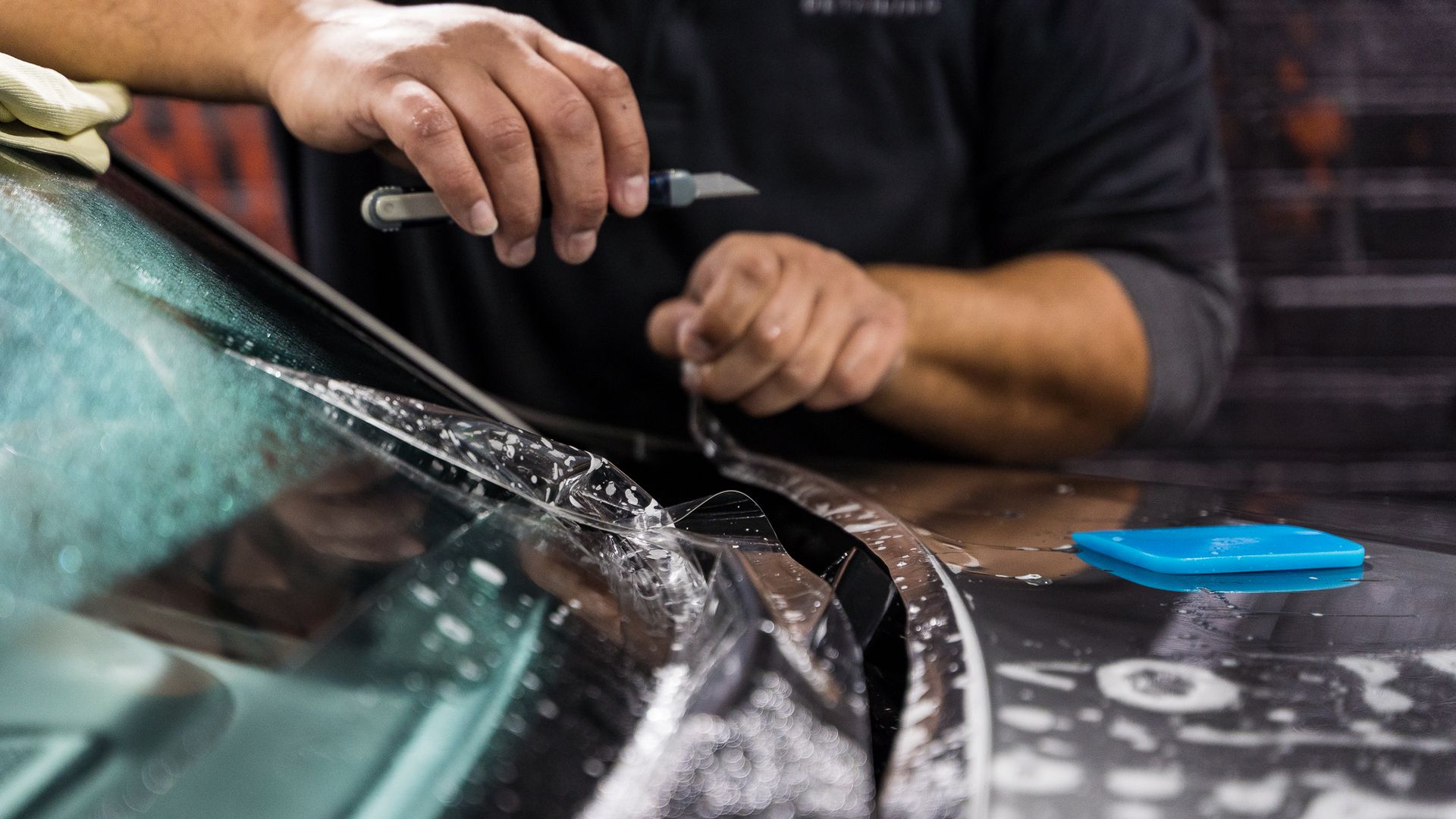
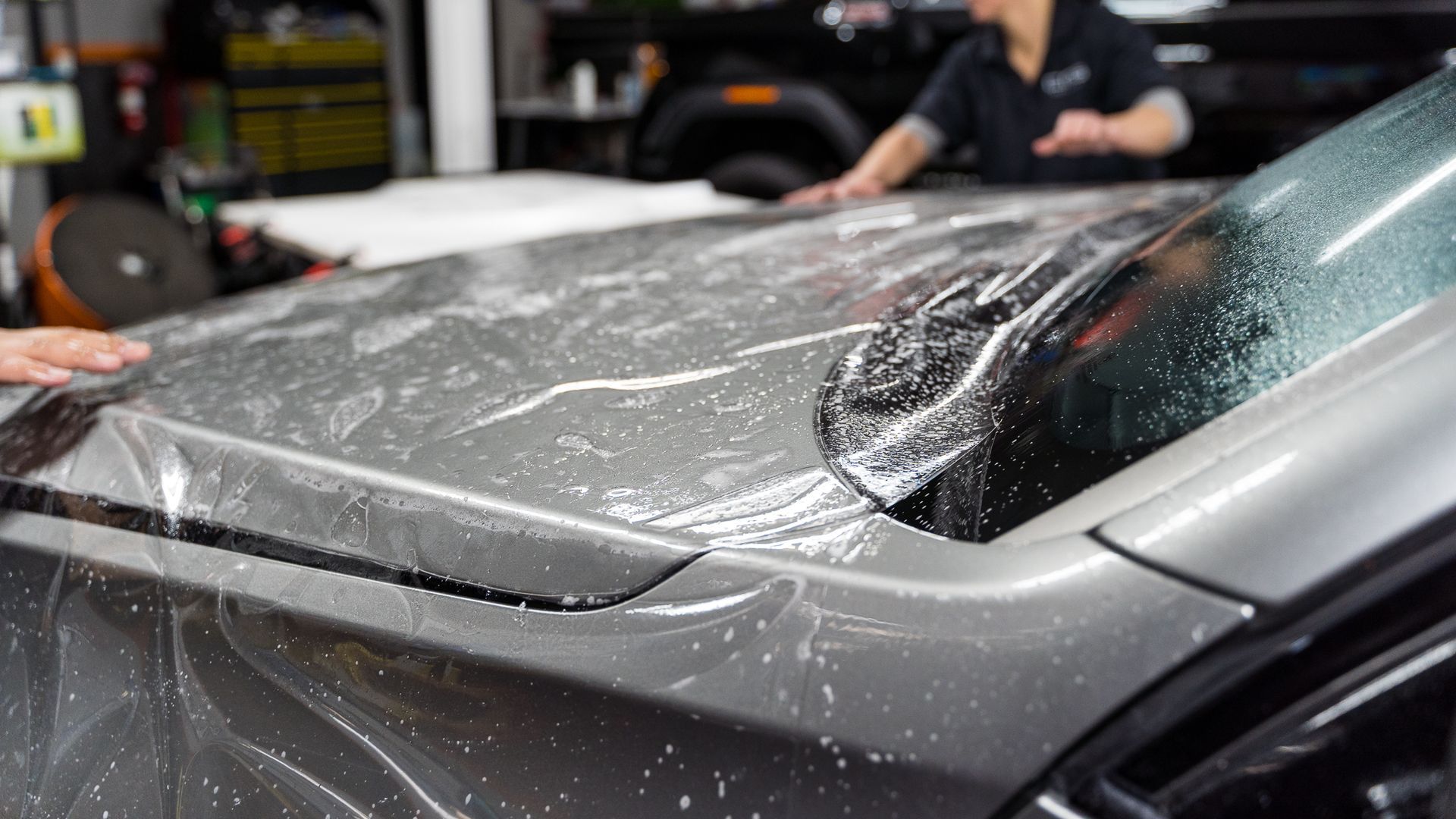
Installing paint protection film might look straightforward, but it is a craft that demands patience and precision. The foundation of a perfect installation lies in how well the vehicle's surface is prepared before the film is applied. This preparation involves a thorough wash and detailed cleaning to eliminate every trace of dust, wax residue, or oils. Even microscopic particles left behind can become trapped under the film, causing bubbles or imperfections that compromise both appearance and durability.
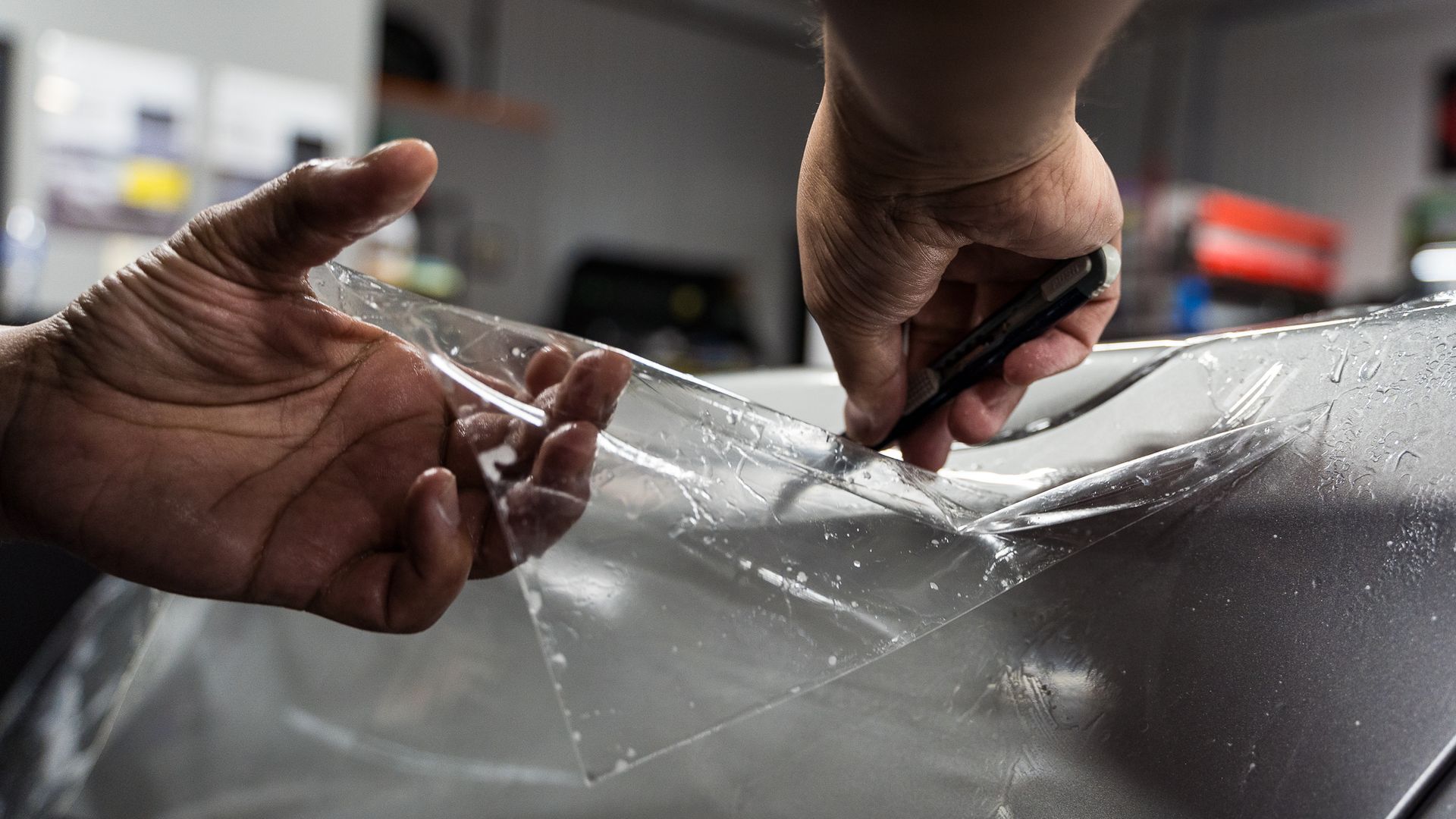
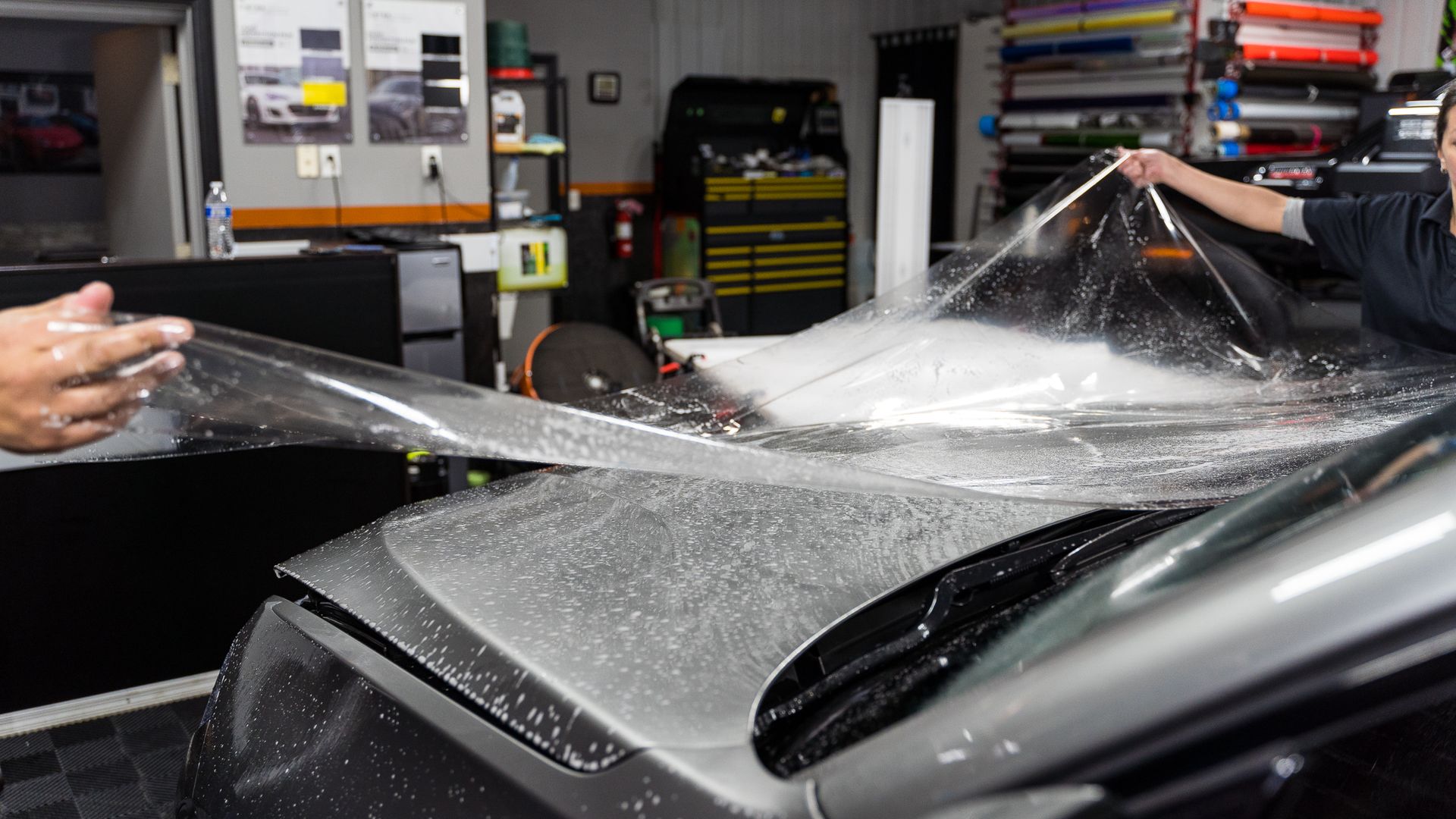
Once the surface is clean, each film panel is custom-cut using computer-aided design (CAD) software to contour perfectly to your car's curves and edges. Technicians apply a slip solution during installation to allow the film to be positioned accurately before bonding. Time is critical here because if the adhesive activates too soon or bubbles form beneath the film, those blemishes can be difficult to correct later.
After placement, trained technicians use heat guns to gently warm the film and activate its adhesive. The warmth makes the film more pliable, allowing it to conform into intricate shapes and edges without creating wrinkles or lifts. Full adhesion typically sets within 24 to 48 hours, during which exposure to moisture or heavy handling should be avoided. When executed correctly, these steps result in durable protection against road debris and scratches while enhancing your vehicle's gloss with an almost wet-looking finish.
Maintaining Your High-Gloss Finish
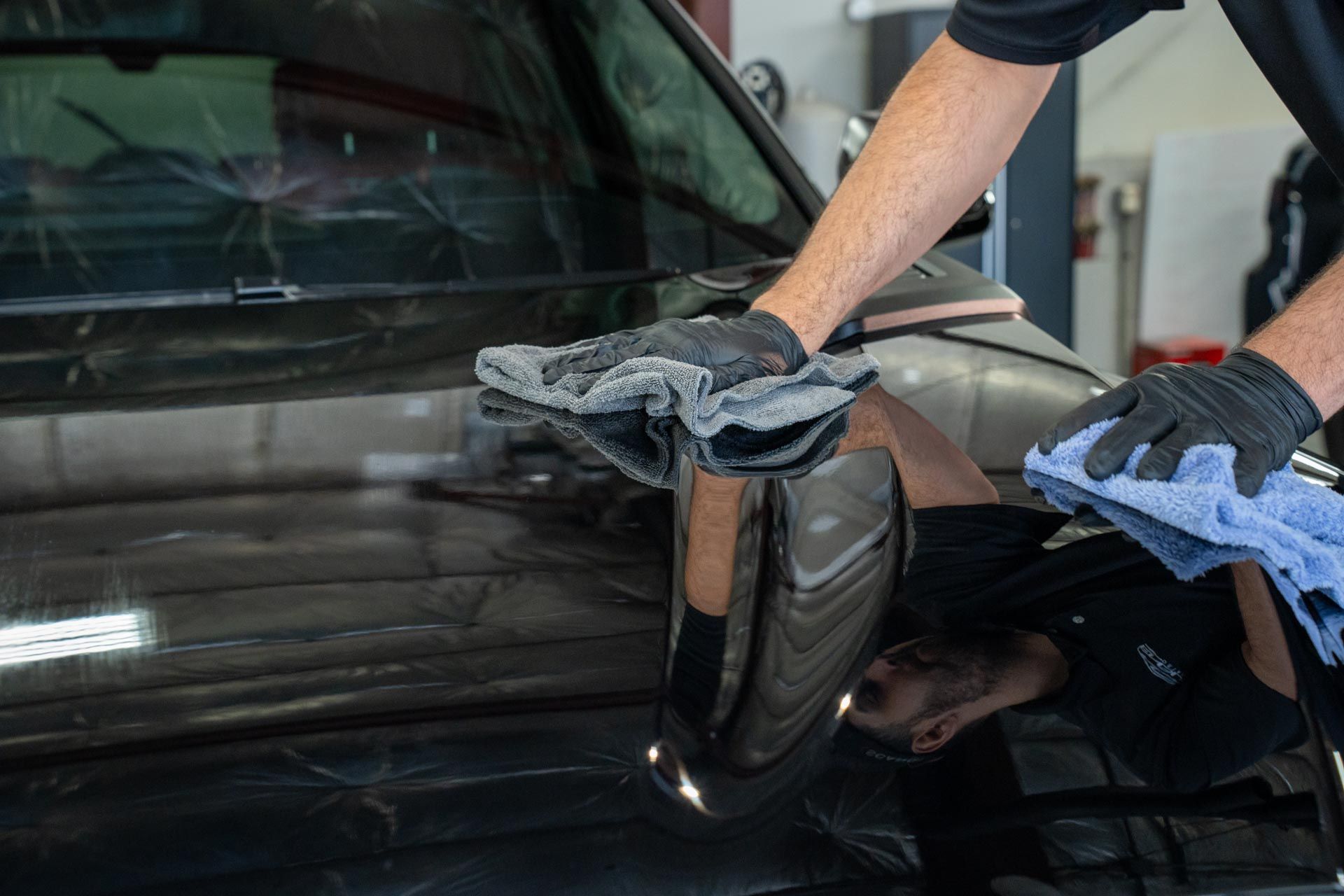
Keeping your vehicle's high-gloss finish intact means committing to a gentle and consistent care routine. Using a pH-neutral car wash soap is fundamental because acidic or alkaline cleaners can degrade the protective properties of your PPF. Soft microfiber towels are the preferred choice for washing and drying, as traditional sponges or abrasive cloths can introduce micro-scratches that dull the finish over time.
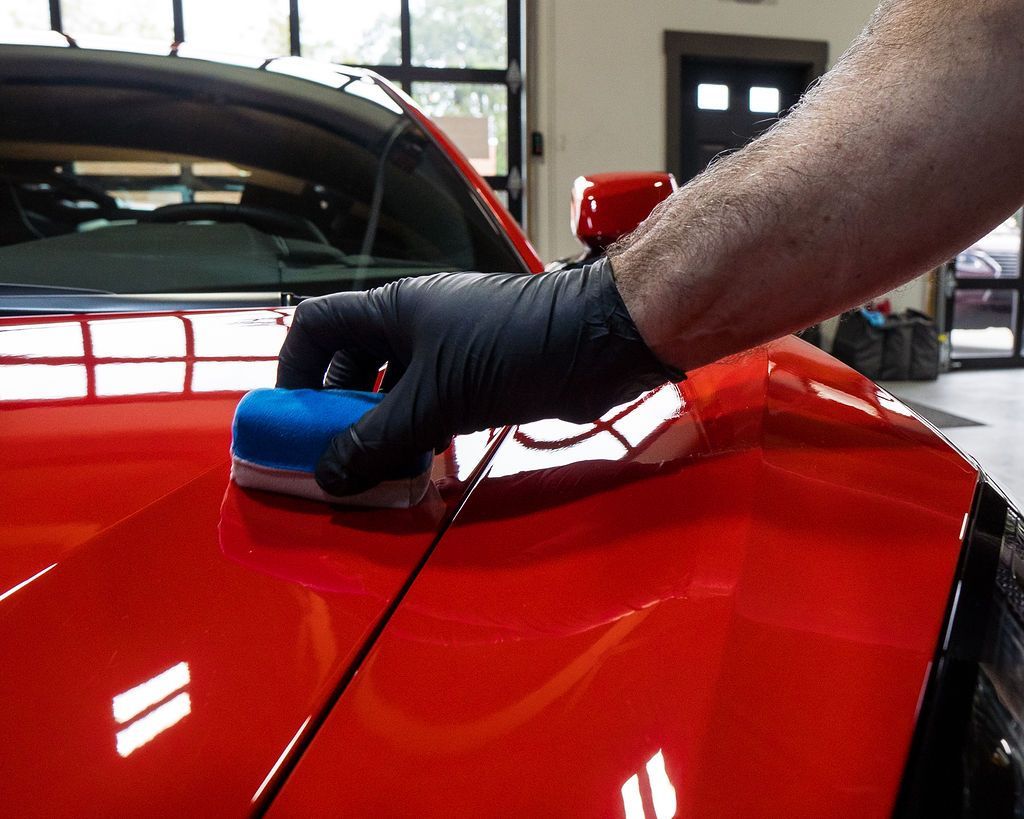
Applying a ceramic coating over your PPF adds both protection and gloss. Ceramic coatings create hydrophobic properties that cause water and contaminants to bead and roll off easily, reducing cleaning frequency and preserving the underlying film. They also enhance reflectivity, often restoring any slight dullness that may have occurred during film application, while protecting against UV damage.
Regular inspections, ideally once a month, help identify early signs of lifting edges, minor scratches, or trapped debris beneath the film. Addressing these issues promptly prevents further damage and more costly repairs down the road. Taking care with each step, from choosing your soap to how you dry and inspect the surface, translates directly into more years of flawless-looking paintwork.
Choosing the Right PPF
Selecting the right PPF is a nuanced decision that involves weighing material quality, warranty coverage, installation standards, and ongoing maintenance requirements. Gloss alone does not guarantee lasting protection or satisfaction. Experts emphasize the importance of choosing well-established film products that have been tested and proven under various climate conditions.
Installation quality is equally critical. While do-it-yourself kits may seem appealing for cost savings, professional installation is strongly recommended when aiming for both peak protection and visual perfection. Complex curves and contours on modern vehicles require custom-cut templates that certified installers can provide accurately. Poor installation leads to bubbles, wrinkles, and premature edge lifting, all of which detract from your car's appearance and compromise the film's longevity.
Many experts also recommend adding nano-ceramic coatings on top of PPF to boost gloss and simplify maintenance. Though these add-ons come with extra upfront costs, they reduce cleaning effort over time, a practical trade-off for owners who want their vehicles looking freshly detailed with minimal effort.
Ultimately, a high-gloss finish today is not guaranteed without commitment tomorrow. Regular washing with pH-neutral products, combined with periodic professional inspections, keeps the self-healing properties working and protects against environmental contaminants like bird droppings or road salts that slowly degrade even advanced polymer films. By pairing quality materials with expert installation and consistent care, your PPF investment will deliver a stunning, long-lasting finish mile after mile.
Gloss-Enhancing PPF in Schaumburg, IL
Protect your vehicle’s shine while enhancing its depth with
professional paint protection film from Umbra Window Tinting, proudly serving Schaumburg, IL. Our expert team applies high-quality PPF with precision, helping preserve your paint’s high-gloss finish while adding a durable layer that keeps your vehicle looking clean and refined over time. Whether you want to maintain that fresh, polished appearance or upgrade your vehicle’s visual impact, their tailored PPF solutions deliver both protection and style.
Schedule your paint protection film service today and keep your vehicle looking its best mile after mile!