Commercial Window Tinting in Schaumburg, IL: How Businesses Reduce Glare, Heat, and Energy Costs
Large windows can make a commercial space feel welcoming, but direct sunlight can make those same windows a daily source of discomfort. Employees reposition monitors to see their work. Customers avoid sunny seats. The air conditioning runs while areas near the glass still feel warm.
For business owners considering commercial window tinting in Schaumburg, IL, Umbra Window Tinting offers solar, decorative, reflective, and private one-way viewing options that address comfort, privacy, and appearance. We come to your location, evaluate your window tinting needs, and bring a variety of options to help control interior temperature and enhance privacy.
A storefront needs to remain inviting. An office needs usable daylight without distracting reflections. A customer-facing workspace may need greater privacy. Looking at these priorities together helps you choose an upgrade that supports daily operations.

Why Commercial Windows Deserve a Closer Look
Think about how your space functions throughout the workday. A desk that feels comfortable in the morning may become difficult to use later. A reception area may look bright and attractive from outside while feeling uncomfortably sunny to someone waiting inside.
For Schaumburg, IL businesses evaluating offices or storefronts, these practical issues matter more than simply choosing a darker window shade.
Before comparing films, identify where the problems occur:
- Which workstations receive direct sunlight?
- When do customers or employees report discomfort?
- Where do reflections interfere with screens?
- Which windows need privacy, and which need clear visibility?
- Are blinds routinely closed during business hours?
These observations create a useful starting point. They also help distinguish a glare problem from a privacy concern or a cooling issue, so the film selection addresses the actual reason for the project.
How Solar Window Tinting Can Reduce Heat Near Windows
Sunlight entering through glass adds heat to the interior. Solar window tinting is one of the options we offer to help control interior temperature, and window tinting in general helps maintain a more consistent indoor temperature. Results depend on the film selected and the existing windows.
For a business, the practical concern is often the difference between the perimeter and the rest of the room. Employees seated beside windows may feel warmer than coworkers farther inside, even when both areas share the same thermostat.
Reducing heat near the glass can help improve comfort for employees and customers. Window tinting also reduces harmful UV rays, and it can help extend the life of interior surfaces and furnishings.
That makes the affected area worth examining before changing the thermostat again. For example, a manager might record when a west-facing conference room becomes uncomfortable and whether the problem follows direct afternoon sunlight. This gives us more useful information than a general request to make the entire building cooler.
What Reduced Heat Gain Means for HVAC Load and Energy Costs
When windows admit less solar heat, there can be less heat for the cooling system to remove. That is the connection between commercial window tinting and lower energy costs. Window tinting minimizes both heat gain and heat loss, which helps create a more consistent and comfortable indoor environment. However, the potential benefit varies with the building, its windows, and how the space is used.
A responsible budget discussion should consider:
- The size and orientation of the windows being treated.
- Existing glass characteristics and shading.
- Business hours and thermostat settings.
- The selected film’s performance.
- Who pays the heating and cooling bills.
For a tenant, the last point is especially important. If utilities are included in the lease, improved comfort may be the clearest direct benefit. A business paying its own electricity bill has a different financial calculation.
Because tinting affects heat gain and heat loss, it also makes sense to think about your property across the seasons rather than only during the hottest months. The right film should match the improvement you want, not a broad savings promise.
Treat any savings estimate as specific to your property. A useful proposal explains the product, the windows it will cover, and the assumptions behind any energy estimate.


Making Screens Easier to Use Without Closing Off the Workspace
Glare creates a different problem from heat. A room can feel comfortable while bright sunlight still makes a monitor difficult to read. Employees may adjust their screens, change seats, or close blinds to continue working.
Window tinting can significantly reduce glare. Heat rejection and glare reduction are separate priorities, though, so tell us which matters most for your space. The result depends on the film you select.
Before installation, evaluate the workspace during the hours when reflections are most disruptive. Check computer monitors, reception displays, and conference room screens from the positions where people actually use them.
The goal is usable light. Making the windows as dark as possible may reduce the daylight employees appreciate. Instead, discuss the balance between glare control, outdoor views, and interior brightness.
Film may also work alongside adjustments to monitor angles or workstation placement. Setting realistic expectations helps you pursue a more comfortable workspace without assuming every reflection will disappear.
Improving Storefront Privacy While Preserving Visibility
Privacy deserves its own discussion because different commercial spaces need different levels of openness.
A retailer may want customers to see merchandise through the front windows. An office may prefer less visibility into employee work areas. A reception space may need separation without making the entrance feel closed.
Our commercial options include decorative, reflective, and private one-way viewing films, along with solar, giving you several directions to discuss when planning the appearance and function of your glass. Window tinting also provides added privacy and security for customer-facing businesses.
Before choosing, describe what needs to remain visible. Consider the view from the sidewalk, the customer’s experience at the entrance, and the sightlines toward desks or seating.
For one-way viewing options, ask how privacy looks in both daytime and evening lighting, and tell us if evening confidentiality matters. Addressing that requirement before you approve the film avoids surprises later.
For storefronts, it is also worthwhile to review how a finish will look against your merchandise and interior lighting. A finish that looks appealing on an isolated pane may affect how clearly passersby can see a display.
Creating a More Consistent, Professional Appearance
Commercial windows are part of the first impression customers receive. With various shades and styles available, you can choose a look that complements your brand and property. That customization enhances the exterior of your building and contributes to a positive first impression. Window tinting is also durable, resisting peeling, bubbling, and fading.
Start with the impression you want the space to convey. A bright retail entrance may call for a different approach from an office seeking a more private atmosphere.
Review the proposed appearance from both sides of the glass. From outside, consider the entrance, signage, and displays together. From inside, check whether the finish feels appropriate for the activities taking place near the windows.
For leased premises, confirm approval requirements with the property owner or manager before scheduling work. Resolving appearance expectations early can prevent delays after a product has already been selected.
Choosing Film Around Business Priorities
A useful comparison goes beyond film darkness. Our commercial options (solar, decorative, reflective, and private one-way viewing) serve different goals, so appearance alone cannot tell you how a product will serve your space.
For a screen-heavy office, prioritize a discussion about glare and daylight. For a sun-exposed customer area, focus on comfort near the glass. For privacy, explain the required sightlines and operating hours.
Your existing glass matters too, so bring those questions to the evaluation.
Bring these questions to the conversation:
- What film best addresses our main concern?
- How will it change the view and interior brightness?
- Is it appropriate for our existing glass?
- What privacy should we expect during the day and evening?
- What care instructions apply to the selected product?
Clear answers make it easier to compare proposals on suitability rather than price alone.
Planning Installation Around Daily Operations
Business owners also need to know how the project will affect staff and customers. We offer flexible scheduling so installation happens at a time that is convenient for you, and our team works efficiently and discreetly to minimize disruption.
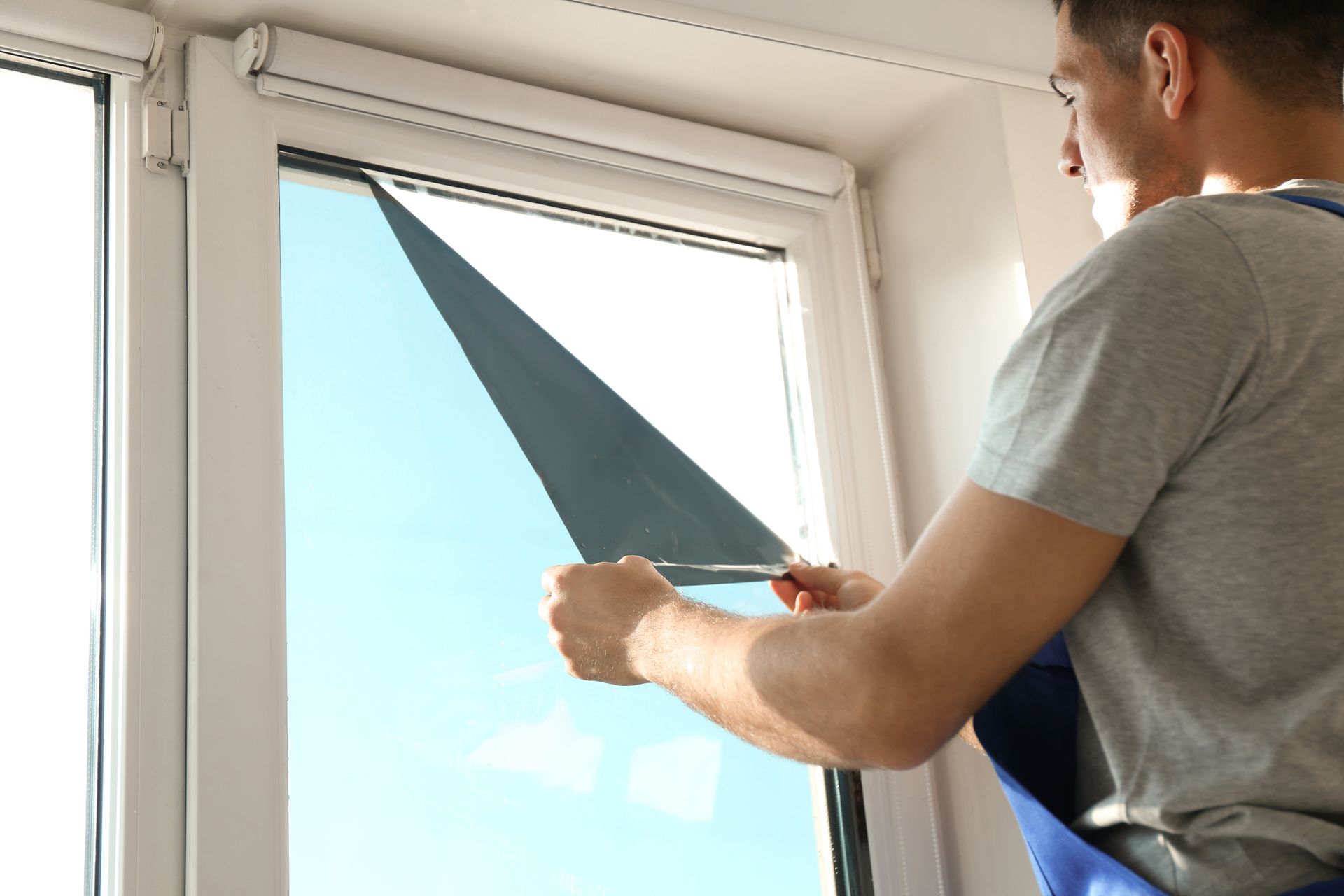
Our process starts with cleaning the interior of the windows and making sure they are completely dry. We then measure each window and cut the film to fit. Starting from the top, we smooth out the film, remove air bubbles, and align it with the edges. Finally, we trim any excess film, make a last squeegee pass to secure the edges, inspect the windows, and allow the tint to cure.
Before choosing an installation date, identify desks, displays, or seating that may restrict access to the windows. Confirm the project-specific schedule rather than assuming every installation takes the same amount of time.
Afterward, ask about the care instructions for the installed film and share them with your cleaning staff. That helps maintain a consistent approach to window care.
A Practical Upgrade for Schaumburg, IL Businesses
Commercial window tinting is most useful when the decision begins with a clear operational problem. Reducing uncomfortable sunlight, improving screen visibility, adjusting privacy, or refreshing the appearance of the glass each calls for a thoughtful product choice.
For Schaumburg, IL business owners, the next step is to connect those priorities with the actual windows, lighting conditions, and working hours of the property.
Learn more about commercial window tinting at
Umbra Window Tinting and request a quote for your Schaumburg, IL business.
Call us at (847) 912-1869 or reach our Glendale Heights location at (224) 353-6624 to get started.