Window tint rarely fails suddenly. In most cases, it begins with subtle visual changes that gradually become more noticeable over time. For many drivers, these early warning signs are easy to overlook until the tint starts affecting visibility, comfort, or the overall appearance of the vehicle.
For drivers in Glendale Heights and the surrounding Chicago suburbs, these issues are especially common due to seasonal temperature shifts, strong sunlight exposure, and road conditions. If your vehicle already has window tint and something doesn't look or feel right, understanding these warning signs can help you take action before the issue worsens.
This guide explains how to identify failing tint, what causes it, and why scheduling a professional window tinting consultation with us is often the most reliable long-term solution.
Understanding What Window Tint Failure Actually Means
Window tint failure refers to the gradual breakdown of the film's structure, appearance, and performance. While modern tint films are designed for durability, they still face constant exposure to sunlight, heat cycles, cleaning products, and natural aging over time.
As the material begins to degrade, it typically affects three core areas:
- Visual clarity, including discoloration, haze, or uneven tone
- Adhesion strength, such as bubbling, lifting, or separation from glass
- Performance consistency, including reduced comfort and heat control inside the vehicle
Once these issues begin to appear, the film is no longer performing as intended. At that stage, the most practical and reliable solution is to have the vehicle evaluated and re-tinted by a professional team.
Common Signs Your Window Tint Is Failing
Most tint problems develop gradually and show visible symptoms before complete breakdown occurs. Recognizing these signs early can help prevent further damage and maintain the appearance and comfort of your vehicle.
1. Bubbling or Air Pockets
One of the most noticeable signs of tint failure is the appearance of bubbles beneath the film. These may begin as small pockets and gradually expand over time.
Bubbling usually occurs when the adhesive bond between the film and glass begins to weaken. Moisture, heat changes, or improper installation can all contribute to this issue. Once bubbling starts, it typically spreads and becomes more visually distracting.
For many drivers, this is the first clear indication that the tint is no longer stable.
2. Purple or Uneven Discoloration
Healthy window tint should maintain a consistent shade across all windows. When the film begins to shift toward purple, bluish tones, or uneven coloring, it is often a sign that the internal dye layers are breaking down.
This type of fading is commonly associated with long-term exposure to sunlight and aging materials. As the film deteriorates, it loses its original color balance, affecting both appearance and privacy.
3. Peeling or Lifting Edges
When tint begins to lift at the edges of the window, it usually indicates adhesive failure. This may appear as corners curling upward or thin sections separating from the glass.
Once edge lifting begins, it rarely stays localized. The separation often spreads gradually, making the issue more visible and harder to ignore over time.
At this stage, having the vehicle professionally evaluated is typically the most effective next step.
4. Cloudy or Hazy Appearance
Another common symptom of failing tint is a cloudy or foggy appearance across the glass. This reduces clarity and can become especially noticeable during night driving or when facing direct sunlight.
Unlike surface dirt, haze usually forms from internal breakdown within the film layers. It cannot be cleaned or restored and typically worsens with time.
Why Window Tint Fails Over Time
Understanding why tint fails helps explain why some vehicles experience issues earlier than others. Several environmental and installation-related factors can contribute to premature breakdown.
Environmental Exposure
Continuous exposure to sunlight is one of the most common causes of tint deterioration. Vehicles parked outdoors are especially vulnerable to UV exposure and heat buildup.
Temperature fluctuations also play a role. As the vehicle heats up during the day and cools down at night, the film expands and contracts, gradually weakening the adhesive bond over time.
Installation Quality
Proper installation plays a major role in tint longevity. Even high-quality film can fail early if it is not installed correctly.
Common installation issues include:
- Inadequate surface preparation before application
- Trapped moisture during installation
- Misalignment or poor edge finishing
- Insufficient curing time before vehicle use
These issues can lead to early bubbling, peeling, or uneven performance.
Film Quality and Material Breakdown
Not all tint films are created equally. Lower-quality films tend to rely heavily on dye-based construction, which is more prone to fading and discoloration over time.
Higher-quality films use more advanced layering techniques designed to maintain stability and appearance for longer periods. However, all films will eventually degrade with enough exposure and age.
Chemical Exposure During Cleaning
Harsh cleaning products can also contribute to tint failure. Strong chemicals or abrasive materials may weaken the adhesive layer or damage the film surface. Over time, this can lead to peeling, cloudiness, or reduced visual clarity.
What Happens If You Ignore Failing Tint
Ignoring deteriorating window tint can lead to more than just cosmetic issues. As the film continues to break down, it can begin to impact both safety and driving comfort.
Potential consequences include the following:
- Reduced visibility, especially during night driving
- Increased glare from sunlight and headlights
- Uneven appearance across different windows
- Residue buildup on glass after peeling
- Possible issues with Illinois tint compliance standards
Once tint reaches this stage, it often becomes more of a distraction than a benefit.
When New Window Tint Installation Becomes Necessary
In most cases, once tint degradation spreads unevenly across the film, a fresh professional installation is the most dependable solution. If multiple issues are visible at the same time, scheduling a consultation with a professional window tinting team is typically the recommended next step.
Signs that new tint may be needed include:
- Multiple bubbles across different windows
- Noticeable discoloration or fading
- Edges lifting in more than one area
- Reduced clarity affecting safe driving
For drivers experiencing these issues in Glendale Heights and surrounding areas, a professional evaluation from our team is the best course of action.
What to Expect from Professional Window Tinting
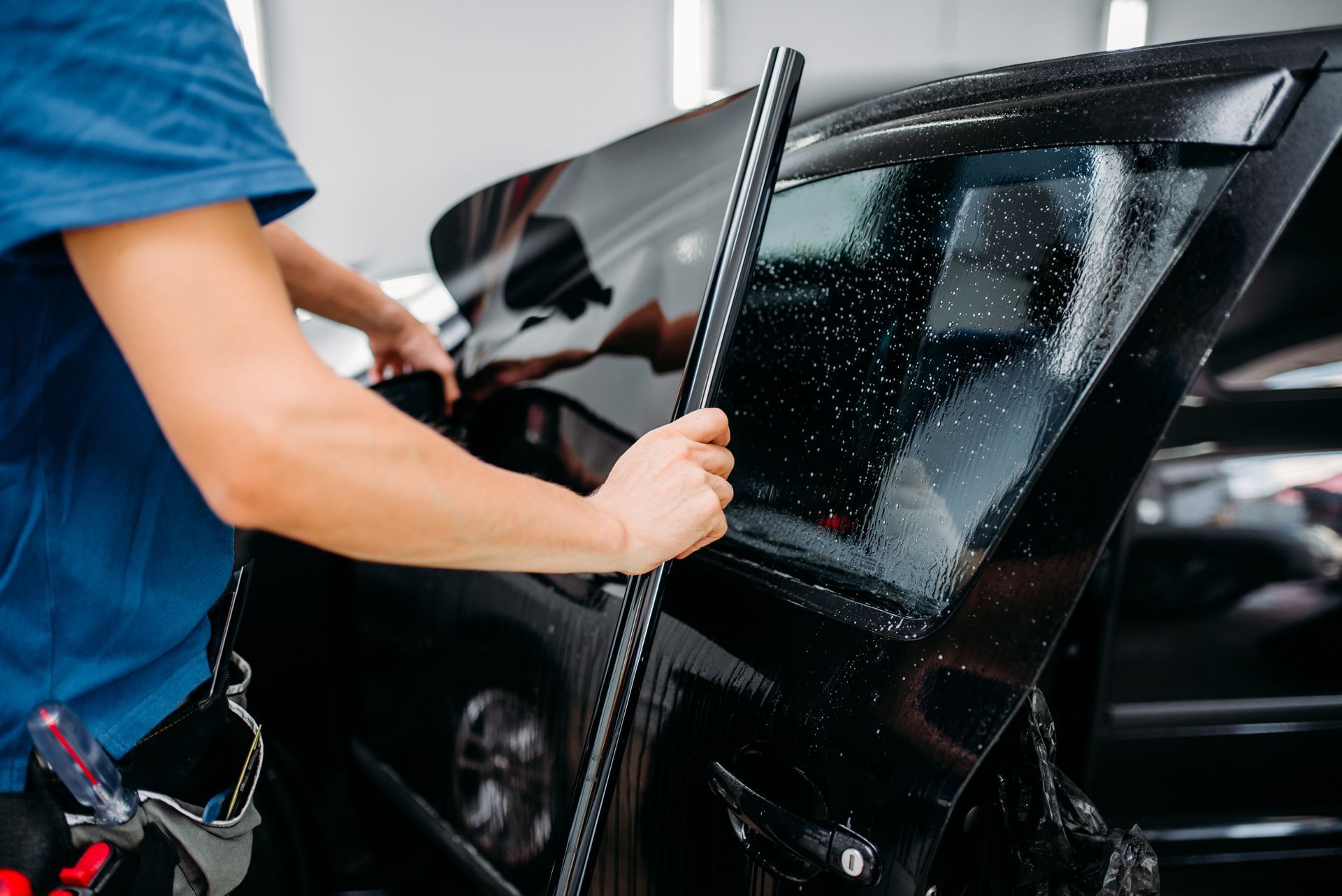
When you choose a professional window tinting service, the process goes beyond simply applying a new film. A thorough approach ensures the new tint bonds correctly and performs as intended from day one.
At Umbra Window Tinting, we offer three tint film options for auto window tinting, each designed to address different levels of heat and UV protection:
- Color-Stable Window Tint Film: A quality, cost-effective option with reliable infrared heat rejection capabilities that keeps your vehicle's interior more comfortable.
- Ceramic Window Tint Film: An upgraded option using ceramic technology that rejects a high level of infrared heat, filters UV rays, and reduces glare for drivers across Northern Illinois.
- Infrared-Rejecting Ceramic Window Tint Film: The top-of-the-line option at Umbra Window Tinting, offering maximized protection against infrared heat and UV rays for long-lasting interior comfort.
We install each film type with precise alignment and professional finishing at both our Glendale Heights and Schaumburg locations.
Benefits of Professional Window Tinting
Replacing failing tint with a professionally installed film restores both the appearance and function of your vehicle's windows.
Key benefits include the following:
- Clearer visibility for safer driving conditions
- Improved comfort through better interior temperature control
- Consistent appearance across all windows
- Enhanced UV protection performance
- Reduced glare from sunlight and oncoming headlights
When installed correctly, quality window tint can significantly improve the overall driving experience.
DIY Removal vs. Professional Service
Some vehicle owners consider removing old tint themselves, but this often leads to complications.
DIY removal can result in:
- Adhesive residue that is difficult to clean
- Risk of scratching or damaging glass
- Uneven removal of film layers
- Increased difficulty during new installation
Professional installation ensures the surface is properly prepared, which directly impacts the quality and longevity of the replacement tint.
Choosing the Right Solution in Glendale Heights
If your vehicle shows any signs of tint failure, scheduling a professional evaluation is the most reliable next step. Early action helps prevent further deterioration and ensures a smoother installation process.
We serve drivers in Glendale Heights and the surrounding Chicago suburbs, offering color-stable, ceramic, and infrared-rejecting ceramic window tint film options for auto window tinting. Our Glendale Heights location is at 2021 Bloomingdale Rd., Glendale Heights, IL 60139, and can be reached at (224) 353-6624.
Final Thoughts
Window tint naturally degrades over time due to environmental exposure, installation quality, and material aging. The key is recognizing early warning signs before the damage becomes more severe or affects driving comfort.
If you are noticing bubbling, discoloration, peeling edges, or haze, your tint may be reaching the end of its effective lifespan. In these situations, a professional evaluation and a fresh installation are the most dependable way to restore clarity and performance.
For drivers in Glendale Heights and nearby Chicago suburbs, choosing an experienced team ensures your vehicle receives a clean reset rather than a temporary fix.
Get Professional Window Tinting in Glendale Heights, IL
If your window tint is fading, bubbling, peeling, or losing clarity, it is a clear sign that a new installation may be needed. Addressing the issue early helps maintain visibility, comfort, and the overall appearance of your vehicle.
At Umbra Window Tinting, we specialize in professional auto window tinting, offering color-stable, ceramic, and infrared-rejecting ceramic film options tailored to your vehicle and comfort needs. Our team at the Glendale Heights location is dedicated to providing top-notch applications with quality tinting that delivers heat rejection, UV protection, glare reduction, and enhanced privacy.
To
schedule a consultation or request a quote, contact Umbra Window Tinting at (224) 353-6624 or visit us at 2021 Bloomingdale Rd., Glendale Heights, IL 60139. We will help determine the best tint solution for your vehicle and ensure the installation is handled with care from start to finish.