The Science Behind Professional Ceramic Coatings: Understanding Technology and Durability
When it comes to keeping your car looking fresh and protected, ceramic coatings have become a popular choice, but what exactly makes them so special? Beneath their glossy finish lies cutting-edge science that bonds with your paint at a microscopic level, creating a tough shield against the everyday wear and tear that dulls most vehicles. This article breaks down the technology behind professional ceramic coatings, explaining how their unique ingredients and structure deliver long-lasting durability and a vibrant shine you don't have to work hard to maintain.
Professional ceramic coatings primarily consist of silicon dioxide (SiO₂) that chemically bonds at a molecular level with vehicle paint, creating a hard, transparent, and semi-protective layer. This nanomolecular bond delivers exceptional durability by forming an armor-like shield that resists UV radiation, chemical contaminants, and minor contact, while hydrophobic properties cause water and dirt to bead and roll off, significantly extending paint life and gloss retention.
The Science Behind Professional Ceramic Coatings
Professional ceramic coatings are composed primarily of silicon dioxide (SiO₂), extracted from natural quartz or sand. This compound forms a thin but incredibly hard layer on your vehicle's paint by bonding at the nanomolecular level, constructing microscopic armor that's invisible yet tough enough to withstand years of environmental challenges. These silica-based polymers chemically fuse with the paint surface rather than just sitting on top like conventional waxes, giving ceramic coatings their hallmark durability. Thanks to advanced chemistry, these coatings exhibit hydrophobic properties, meaning water beads up and quickly rolls off. With water contact angles often exceeding 110°, droplets remain nearly spherical and carry away dirt, grime, and contaminants effortlessly, dramatically reducing water spots and simplifying cleaning. The ceramic layer also shields against ultraviolet (UV) radiation, absorbing and reflecting harmful rays that cause paint fading and oxidation. They resist damage from acidic contaminants like bird droppings and tree sap that can etch unprotected surfaces. Many premium coatings integrate graphene to enhance flexibility and thermal stability, helping them withstand extreme temperature fluctuations. The coating's typical thickness ranges from one to five microns, yet within this ultra-thin layer lies incredible hardness that adds meaningful resistance while maintaining clarity and gloss rivaling freshly waxed cars.
Composition and Chemical Properties
At the heart of most professional ceramic coatings is silicon dioxide (SiO₂), a compound that bonds at the nanomolecular level with your vehicle's paint, creating a resilient shield that behaves much like glass. This glass-like hardness provides remarkable resistance to environmental contaminants. The molecular structure of SiO₂ allows for strong covalent bonds, granting impressive thermal stability that tolerates temperatures often exceeding 600°C without breaking down. This means your car's glossy finish won't fade or degrade even under intense sun exposure or extreme weather conditions. The particles in these coatings, usually between 10 and 50 nanometers in size, create an ultra-smooth surface at a microscopic scale, contributing directly to hydrophobicity and causing water droplets to bead up and roll off easily.
Many professional-grade coatings now incorporate graphene, known for its outstanding strength and flexibility. Graphene amplifies durability by improving elasticity and thermal conductivity, helping dissipate heat evenly across the vehicle's surface while enhancing hydrophobic behavior beyond 110°, ensuring contaminants like bird droppings and road grime have trouble adhering. Titanium dioxide (TiO₂) acts as an additional UV blocker, absorbing harmful rays that cause oxidation and fading. The overall thickness typically ranges between one and three microns, a fine balance providing effective protection while maintaining a crystal-clear finish. Professional ceramic coatings demonstrate exceptional chemical resistance, withstanding acid rain and road salt corrosion far longer than traditional waxes.
Understanding Application Excellence
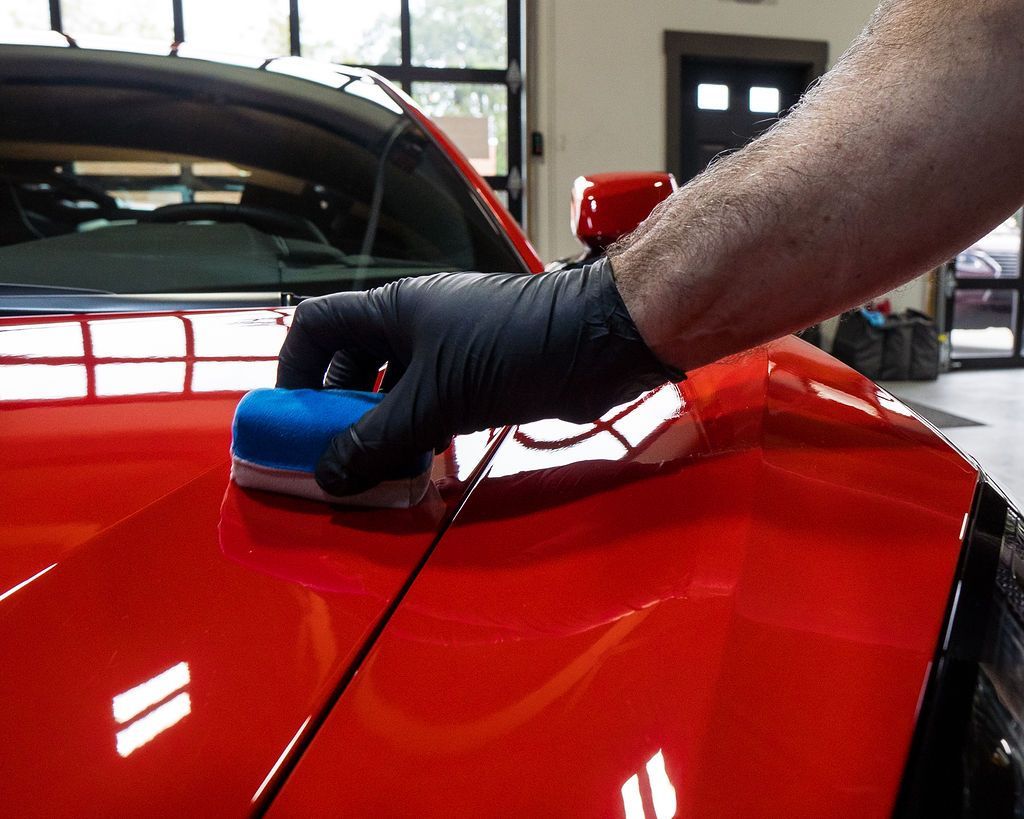
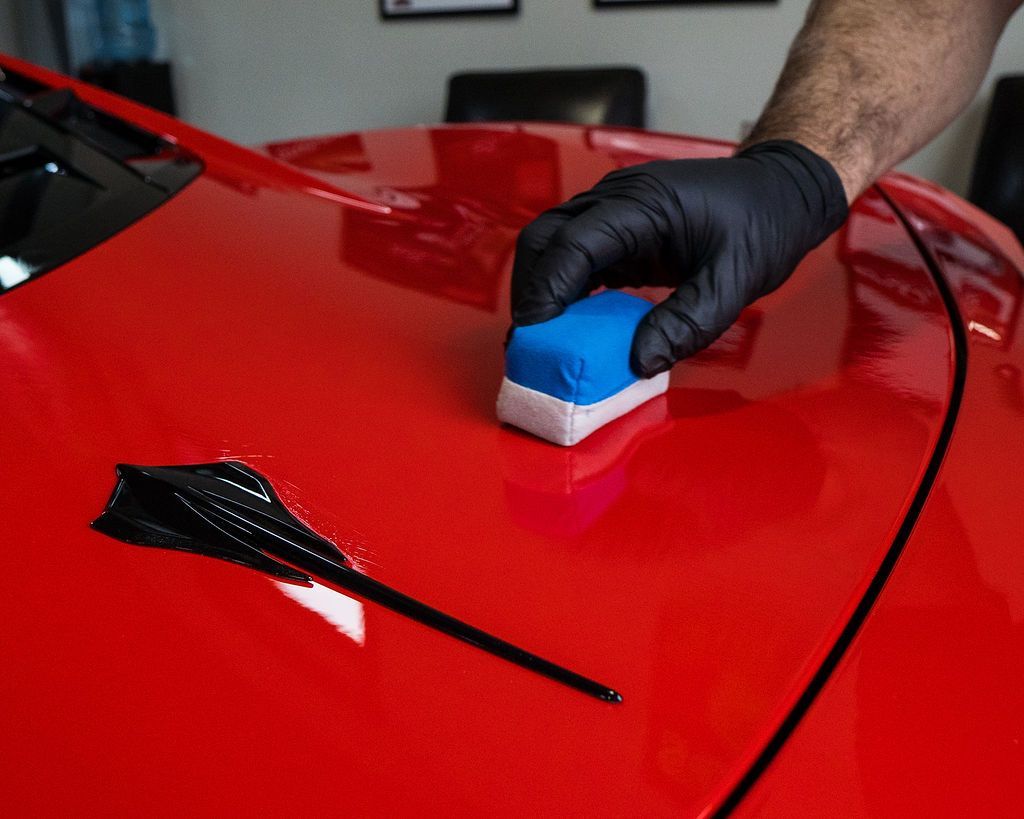
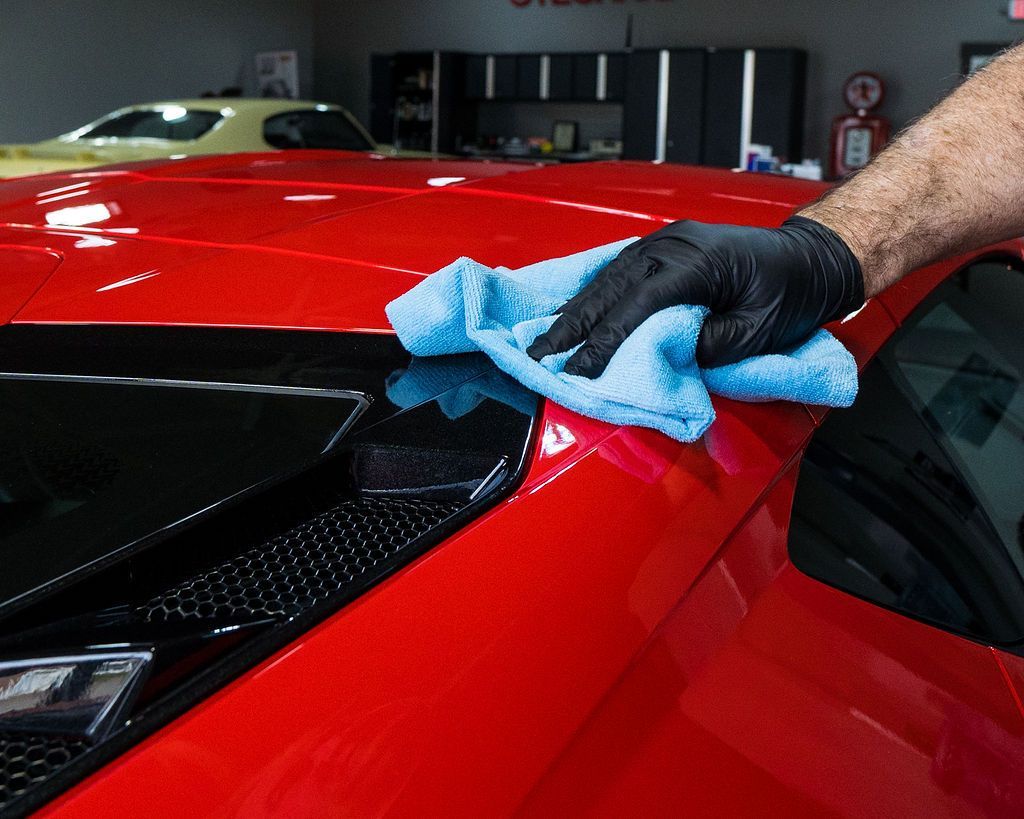
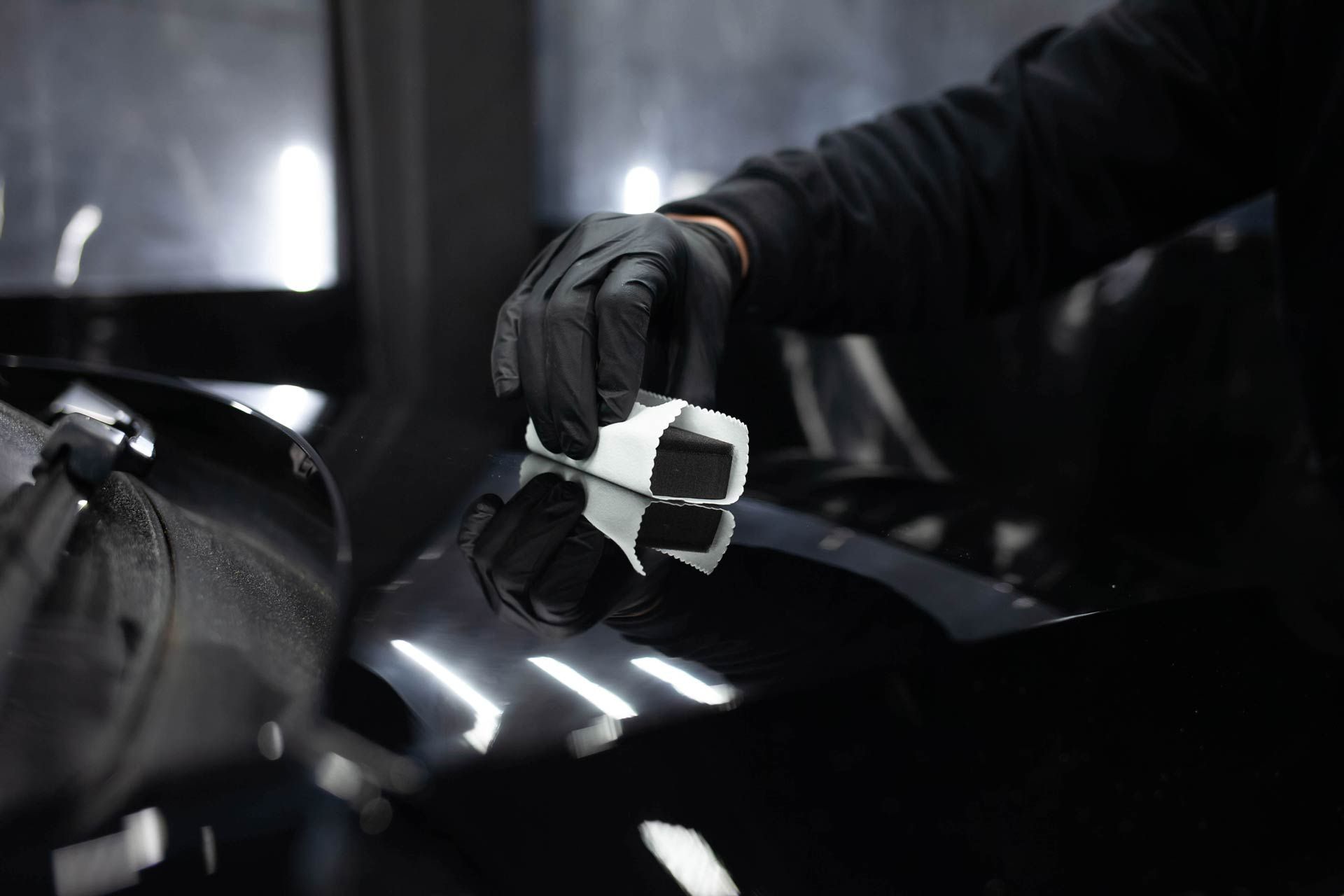
Achieving that flawless, durable ceramic layer demands precision and patience. The application should be done in small sections to maintain control and ensure uniform coverage. Rushing through larger areas risks unevenness, streaks, or trapped product that can mar the finish. Using a high-quality microfiber applicator pad specifically designed for coatings allows you to spread the product thinly and consistently, avoiding excess buildup that could cause cloudy spots after curing. Timing is everything during application. After applying the coating to a section, you'll notice it begins to flash, showing subtle rainbow hues as solvents evaporate. This flash signals it's time to gently buff away excess using a clean microfiber towel before moving on. Mastering this balance often comes down to practice and lighting.
The use of bright, natural or specialized detailing lights helps reveal these fleeting colors clearly. Environmental conditions play a crucial role in how well your ceramic coating bonds and cures. Ideally, coatings should be applied within an ambient temperature range between 15°C and 30°C with humidity below 70%. Temperatures that are too low slow curing and reduce chemical bonding efficiency, while high humidity can trap moisture beneath the coating causing cloudy or patchy results. Many professional detailers prefer climate-controlled environments or shaded garages to maintain these steady conditions during application. After application, ceramic coatings need time, usually 24 hours minimum without exposure to water or dust, for initial curing. However, full hardness and chemical resistance may take up to seven days as molecular cross-linking continues deep within the layers. During this period, avoiding washing, waxing, or strong cleaners is critical to allow the coating to reach maximum performance potential.
Long-Term Durability and Performance
One of the remarkable qualities that set professional ceramic coatings apart is their long lifespan, which often ranges from two to seven years with proper care. This impressive durability comes from their unique chemical makeup, primarily silicon dioxide (SiO₂), which creates a resilient, glass-like layer bonded to your car's paint. Unlike traditional waxes or sealants that wash away in a few months, these coatings form a hard shell resistant to UV rays, acid rain, and environmental pollutants. As a result, they act like armor for your vehicle's finish, significantly reducing the impact of daily wear from elements such as bird droppings, acidic tree sap, and road grime. The coating's hardness helps repel dirt and contaminants, making cleaning easier and less demanding on the paint surface itself. Over months and years, this leads to paint that looks newer longer without the need for constant touch-ups or polishing, preserving both appearance and value.
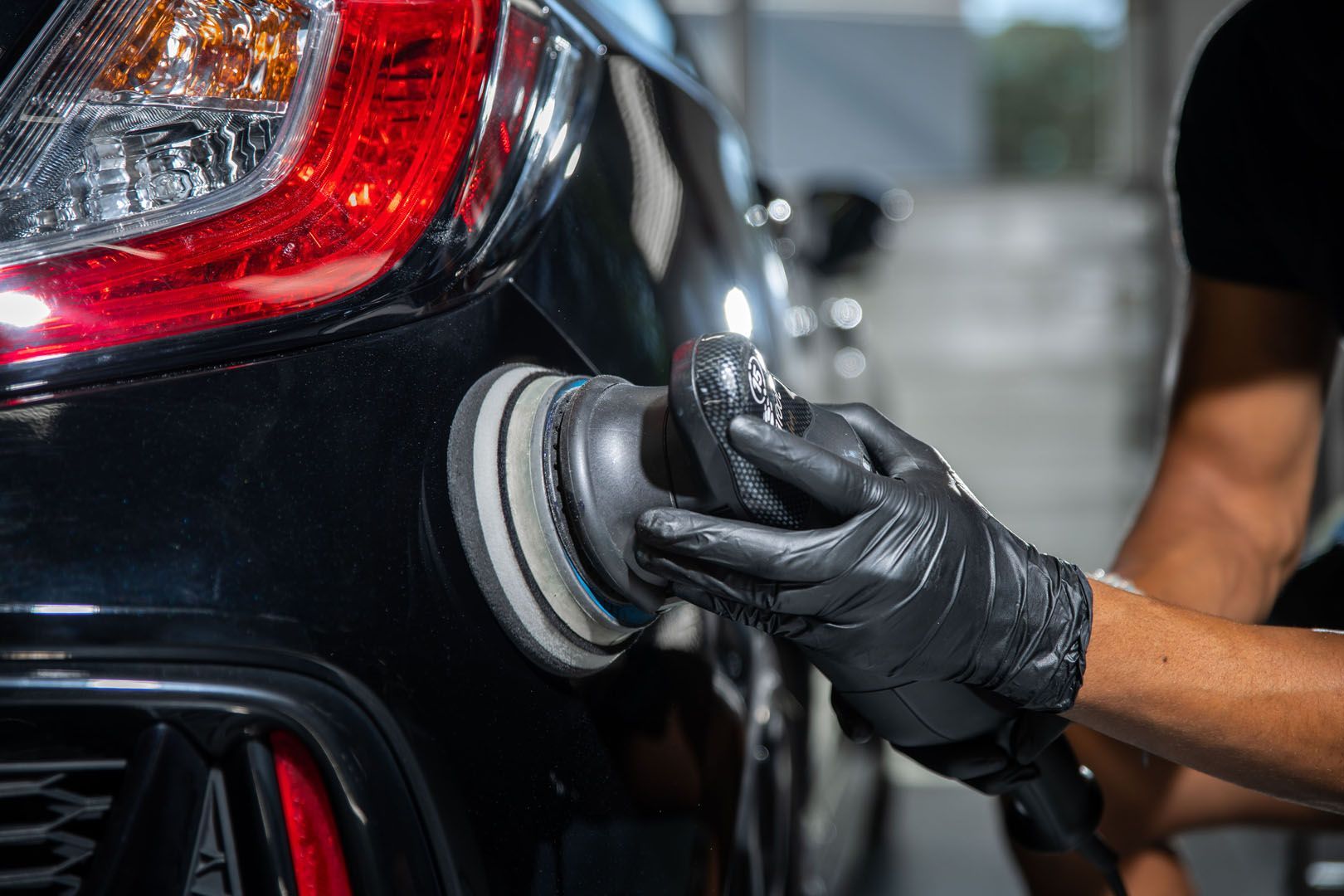
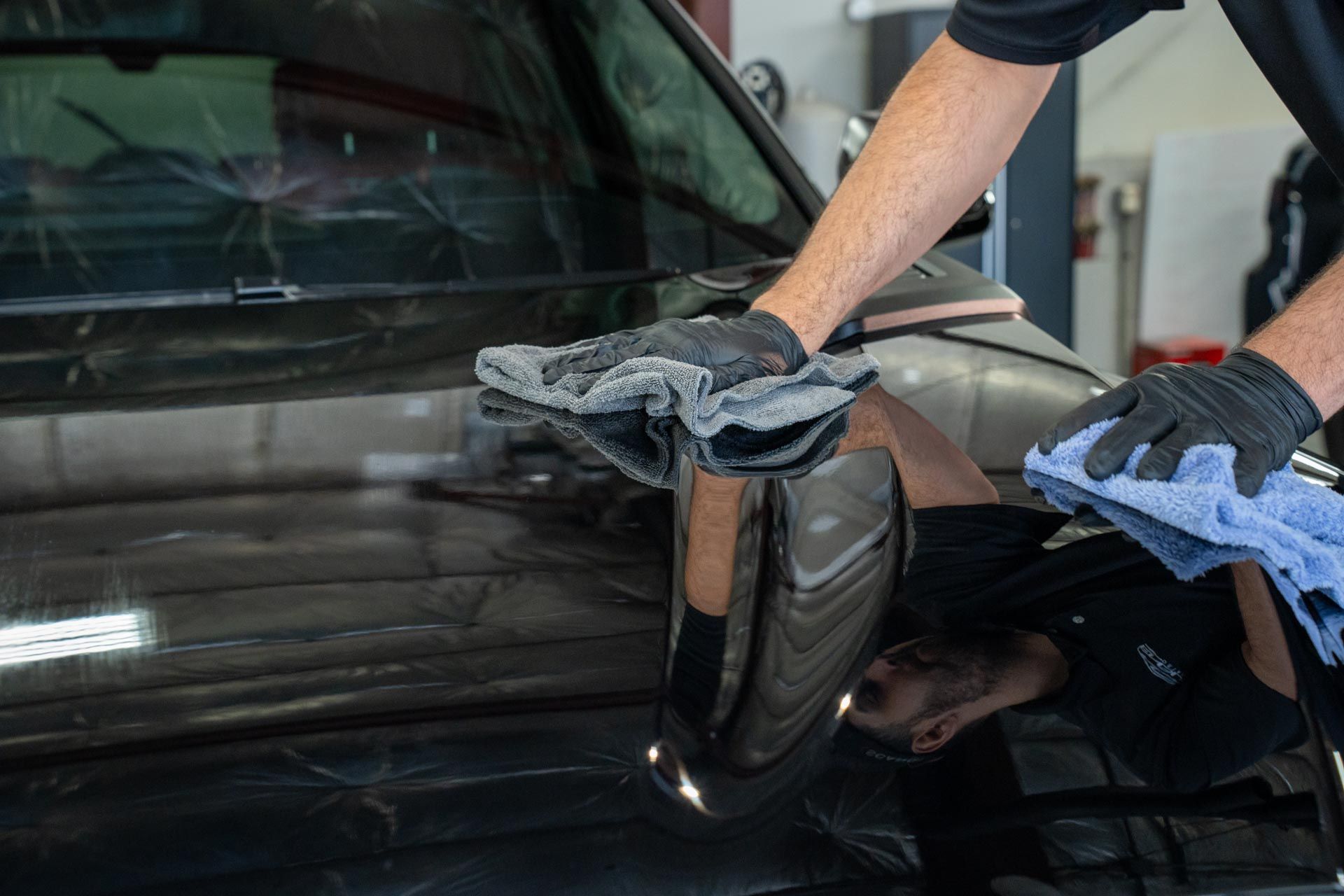
The resistance to oxidation is particularly crucial for cars parked outdoors. Sun exposure continuously breaks down clear coats on untreated vehicles, resulting in fading and dullness. Ceramic coatings counteract this process by blocking UV light from penetrating the paint surface. This means your car's color stays vibrant far beyond what traditional protective layers can achieve. Moreover, these coatings maintain hydrophobic properties that cause water, and with it, dirt and contaminants, to bead up and roll off more easily. This feature alone reduces staining risks and prevents buildup that could otherwise compromise paint health. To maximize the benefits of long-term durability, start with meticulous surface preparation, including claying and polishing, to ensure the coating bonds evenly without trapping imperfections. Follow manufacturer guidelines during application, especially regarding curing time; most coatings require 24 hours free of moisture for a proper bond. Avoid automatic car washes with harsh brushes during the first few weeks after application; manual washing with gentle products preserves coating integrity. Routine maintenance sprays tailored for ceramic coatings help replenish hydrophobic properties and extend lifespan without stripping protection.
Key Benefits for Your Vehicle
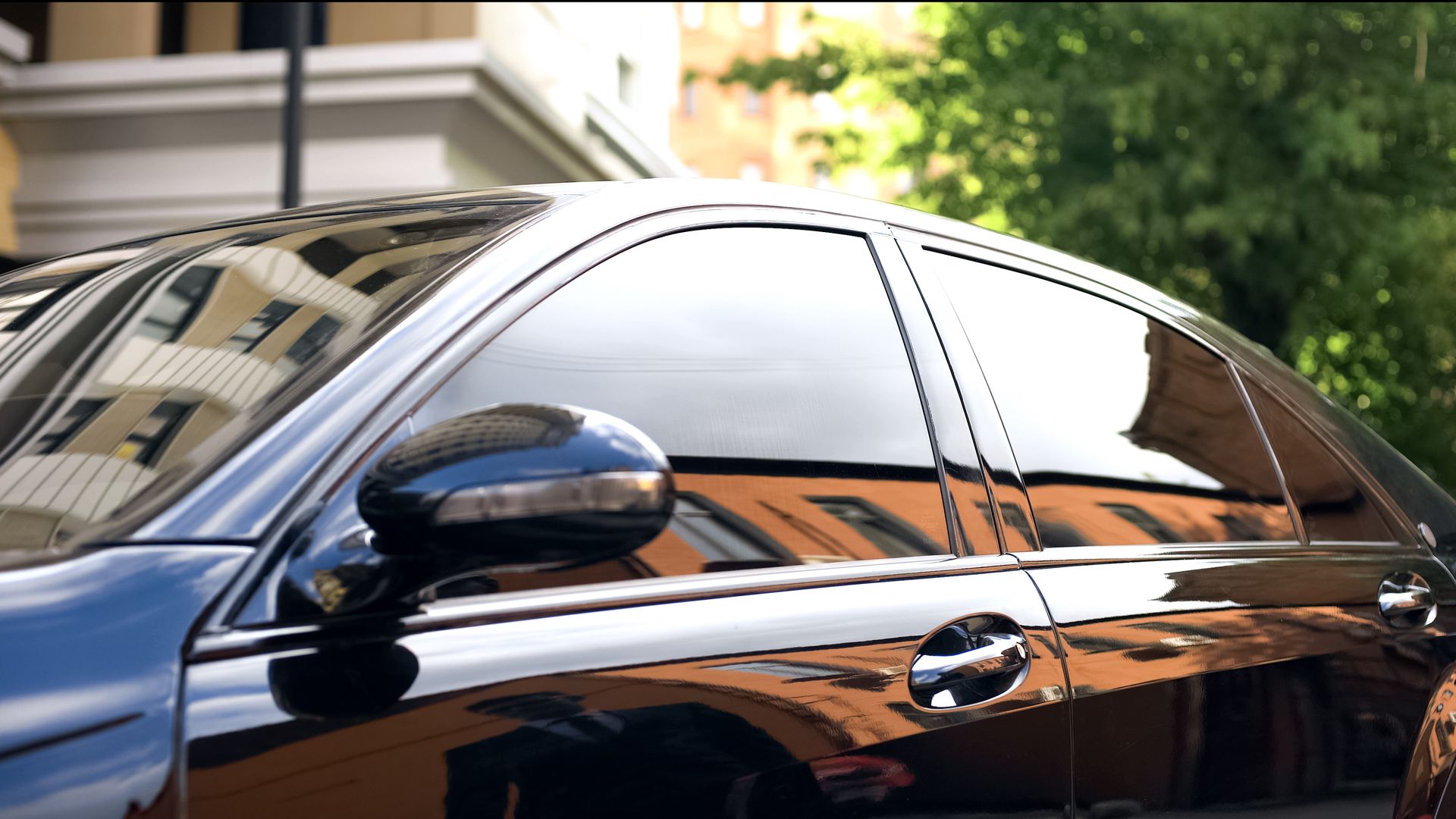
Ceramic coatings create a remarkable transformation in how vehicle paint behaves and looks. One of the most noticeable effects is the enhanced gloss that these coatings provide. Unlike traditional waxes that create a surface shine but wear off quickly, ceramic coatings chemically bond with the paint surface. This molecular-level adhesion results in depth and clarity to the paint's reflection. It's not just about looking shiny; it's a refined brilliance that seems to come from within the paint itself. This deep gloss means the car catches light differently, with reflections dancing more vividly across smooth, uniform surfaces protected by ceramic layers. The hydrophobic nature of ceramic coatings is a game-changer when it comes to water beading and cleanliness. Thanks to silica-based polymers forming surfaces with water contact angles typically exceeding 110°, water barely sticks and instead beads up into tight droplets that simply roll away. This effect extends to common grime as well. Mud, dirt, bird droppings, and even road salts struggle to cling. In practice, this means fewer aggressive washes and less scrubbing, reducing micro-marks caused by dirt particles rubbing during cleaning.
Another profound advantage lies in UV protection. Vehicles parked outdoors endure constant exposure to ultraviolet rays that trigger oxidation, a chemical degradation causing paint to dull and fade over time. Quality ceramic coatings act as transparent armor, blocking harmful UV radiation and effectively halting this deterioration process. The result is that your vehicle's color stays vibrant year after year. This resistance is especially crucial in regions with strong sun exposure or harsh climates where fading accelerates naturally. The chemical resistance property delivers practical defense against common but damaging substances like acidic bird droppings, tree sap, insect residues, and acid rain. These acidic contaminants can etch into unprotected paint surfaces quickly, leaving stains or dull patches if not promptly cleaned.
Ceramic coatings form a tough molecular barrier that resists penetration from these corrosive agents. This means you avoid costly repairs or frequent repainting jobs caused by neglect or unavoidable environmental hazards. Professional ceramic coatings represent a sophisticated blend of chemistry and engineering designed to protect your vehicle while enhancing its appearance. From the nanomolecular bonding of silicon dioxide to the advanced properties of graphene integration, these coatings deliver measurable benefits that extend far beyond traditional protection methods. Whether you're looking to preserve a classic car, protect a new investment, or maintain a daily driver, understanding the science behind ceramic coatings helps you make informed decisions about your vehicle's care and long-term value.
Schaumburg’s Go-To Ceramic Coating Specialists
Give your car the advanced surface defense it deserves with professional ceramic coating services from Umbra Window Tinting in Schaumburg, IL. Our team applies premium coatings designed to enhance shine, improve resistance against environmental contaminants, and make maintenance noticeably easier. With skilled application and a commitment to superior results, we help your vehicle maintain a clean, high-quality finish day after day. Connect with Umbra Window Tinting today to choose the right ceramic coating package for your car!