Professional PPF: Precision and Seamless Coverage for Automotive Protection
If you care about keeping your car looking sharp and fresh, protecting its paint is one of the smartest moves you can make. Paint protection film, or PPF, might sound technical, but it is essentially a clear shield that guards your vehicle against scratches, chips, and weather damage. What many people do not realize is just how much skill and care go into an application that works well and looks completely invisible. This article breaks down why professional PPF installation matters and what goes into achieving that perfect, seamless layer of protection.
The Art of Professional PPF Application
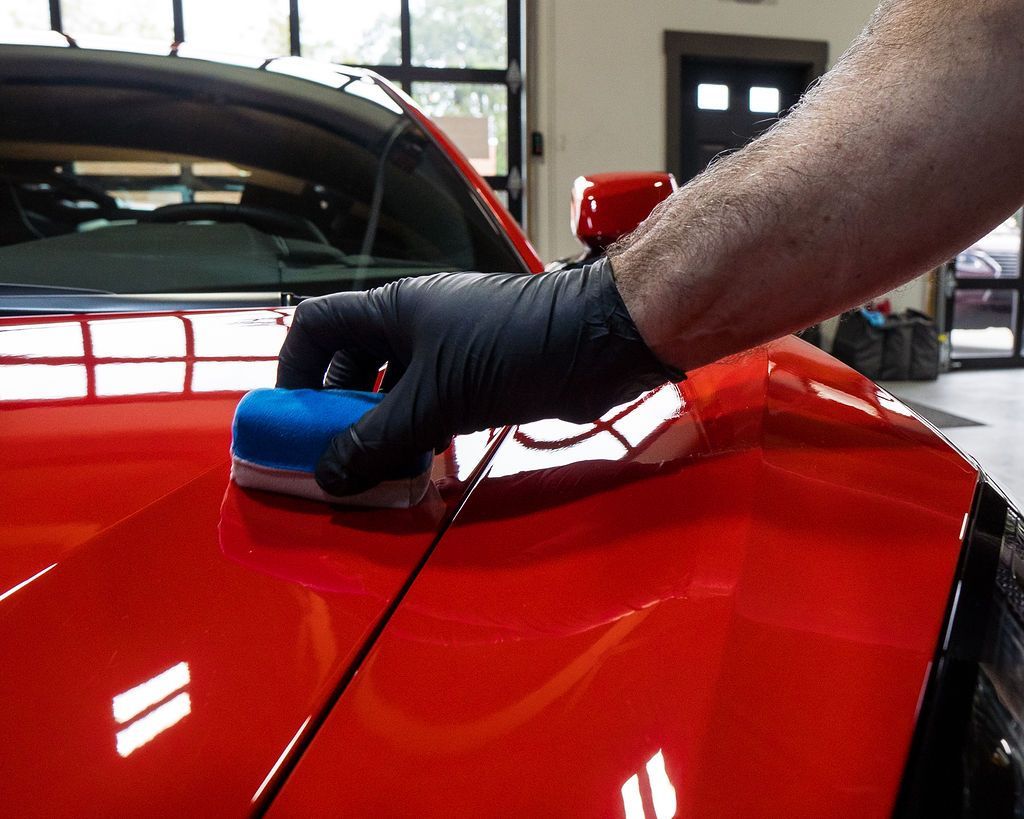
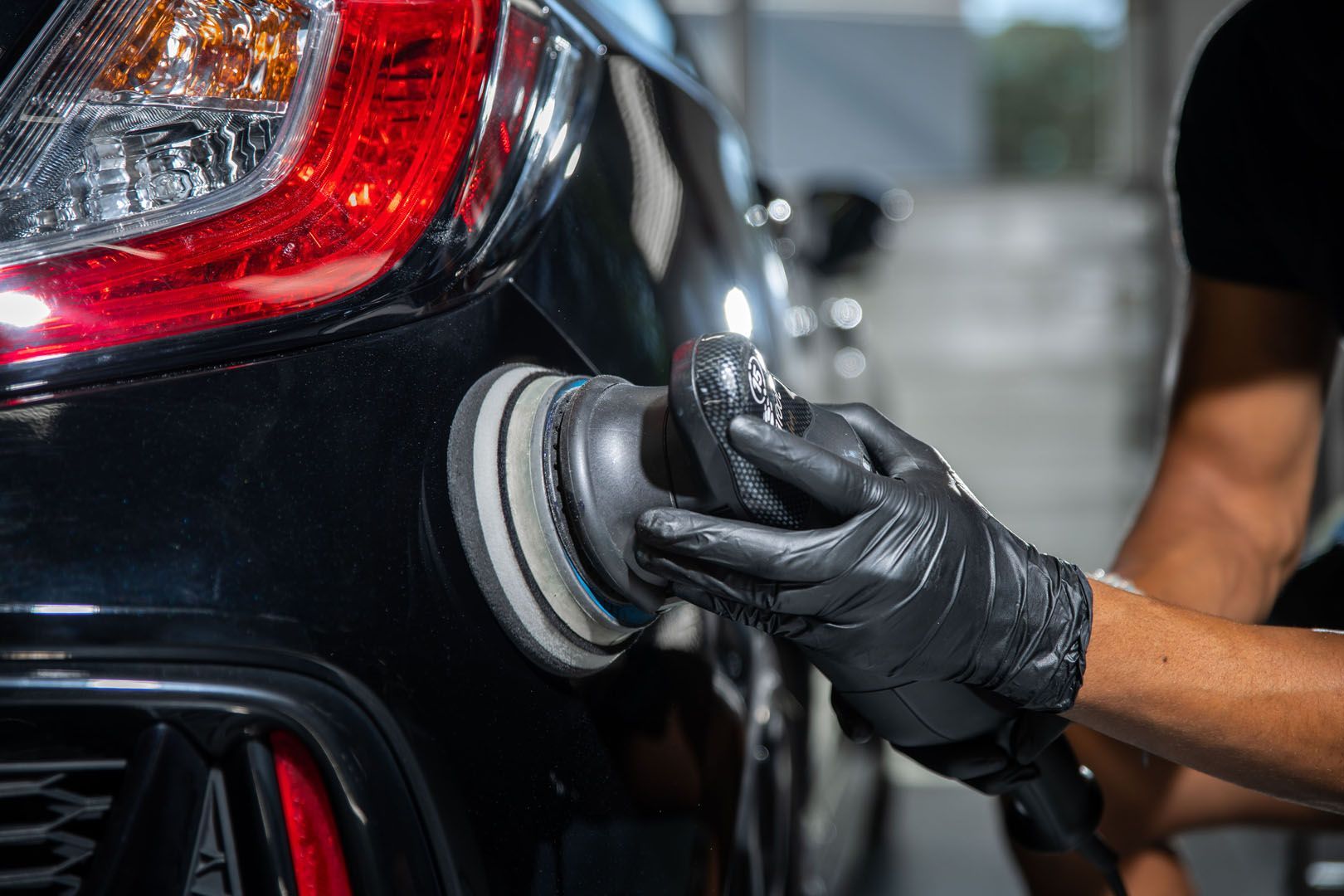
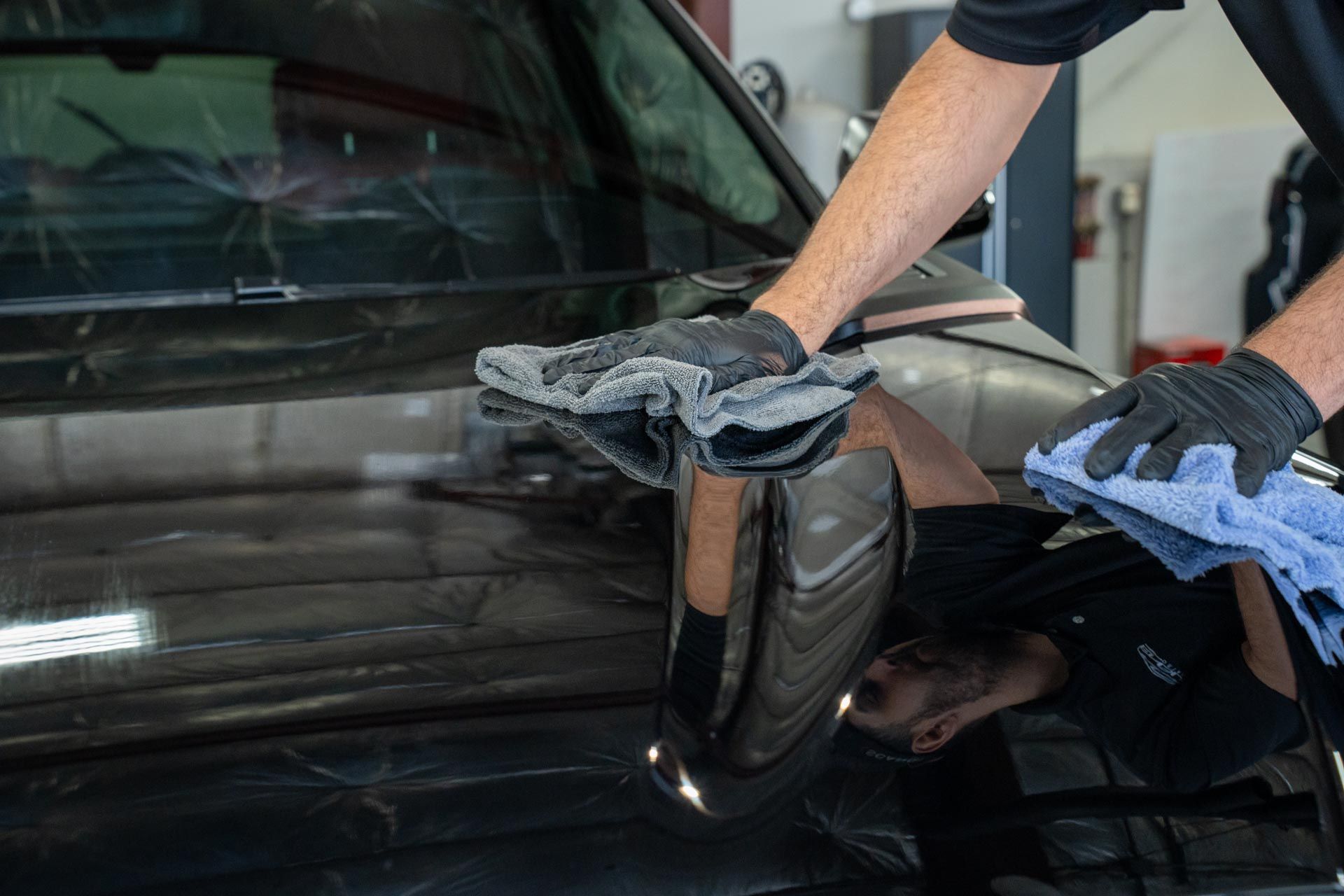
Applying PPF is not just a technical procedure; it is a careful balance between art and science. Professionals begin by preparing the vehicle thoroughly. Any dust, oil, or residue left on the paint can cause bubbles and imperfections once the film is applied. This preparation phase involves cleaning with specialized solutions and lightly polishing the paint to create an ideal surface. Once surface prep is complete, the installer measures and cuts the film with surgical precision. While some installers use pre-cut kits designed for specific vehicle models, others custom-cut the film on-site using templates or precision plotters. Every edge, curve, and contour must be carefully accounted for to ensure seamless coverage without overlapping or gaps.
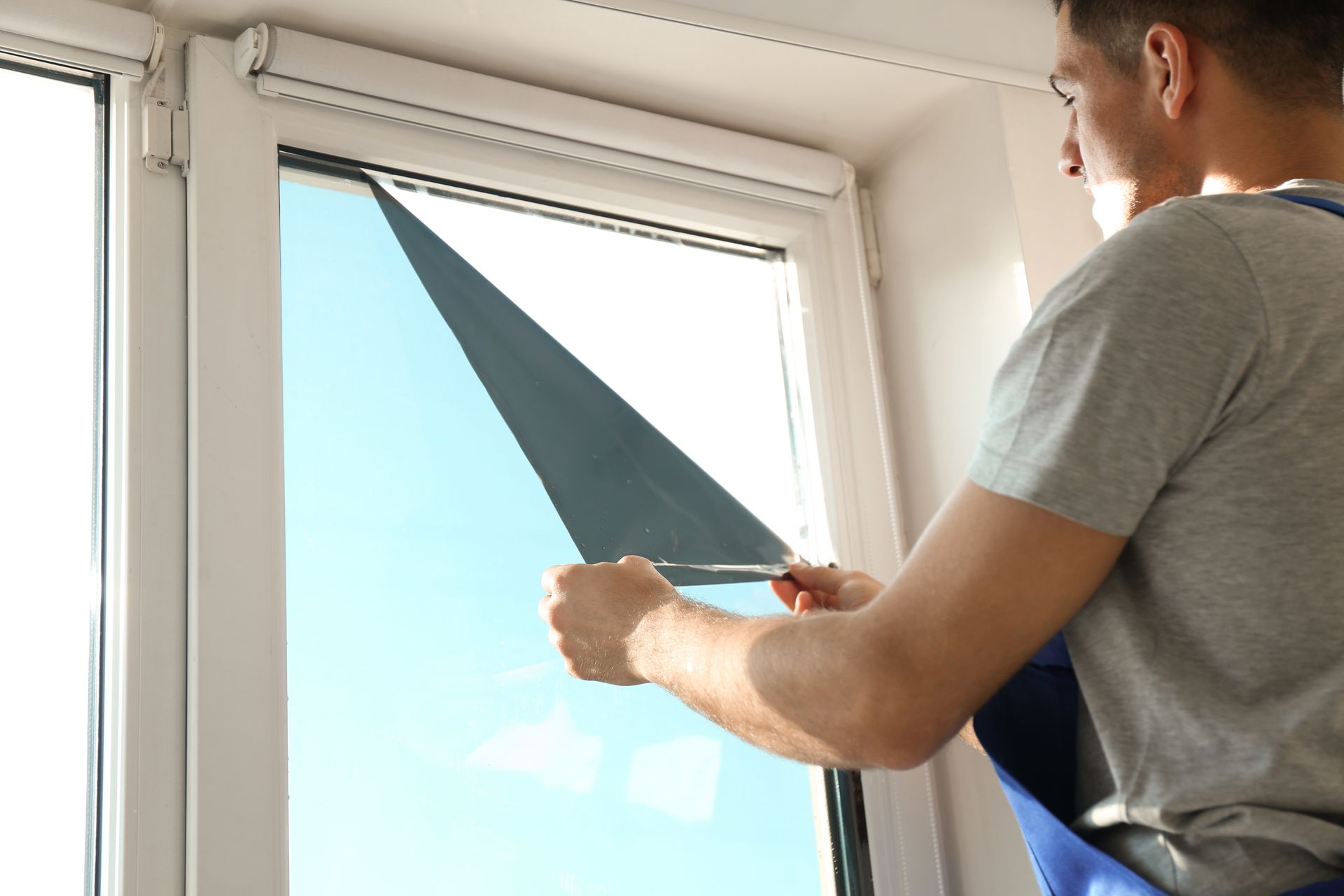
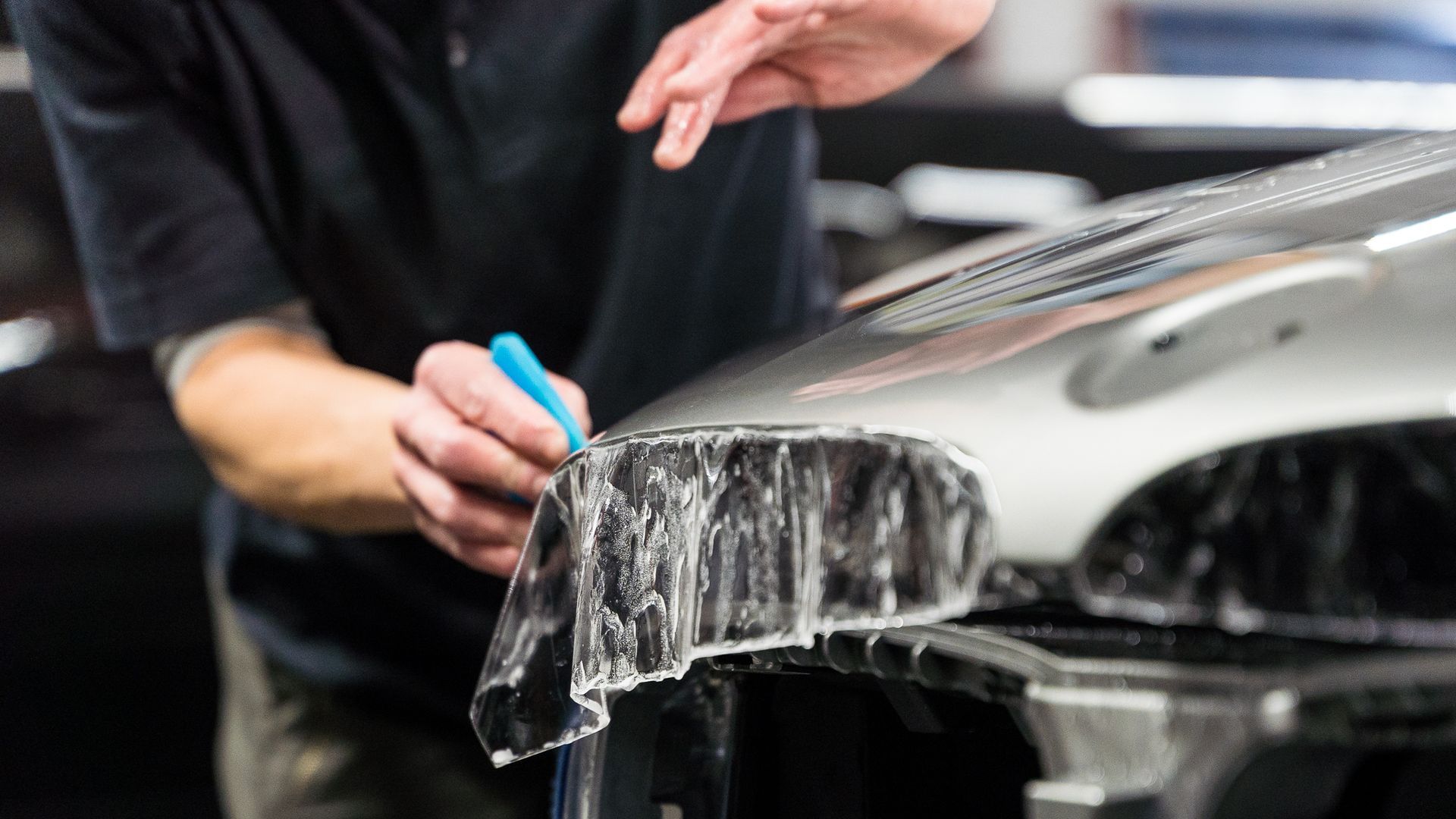
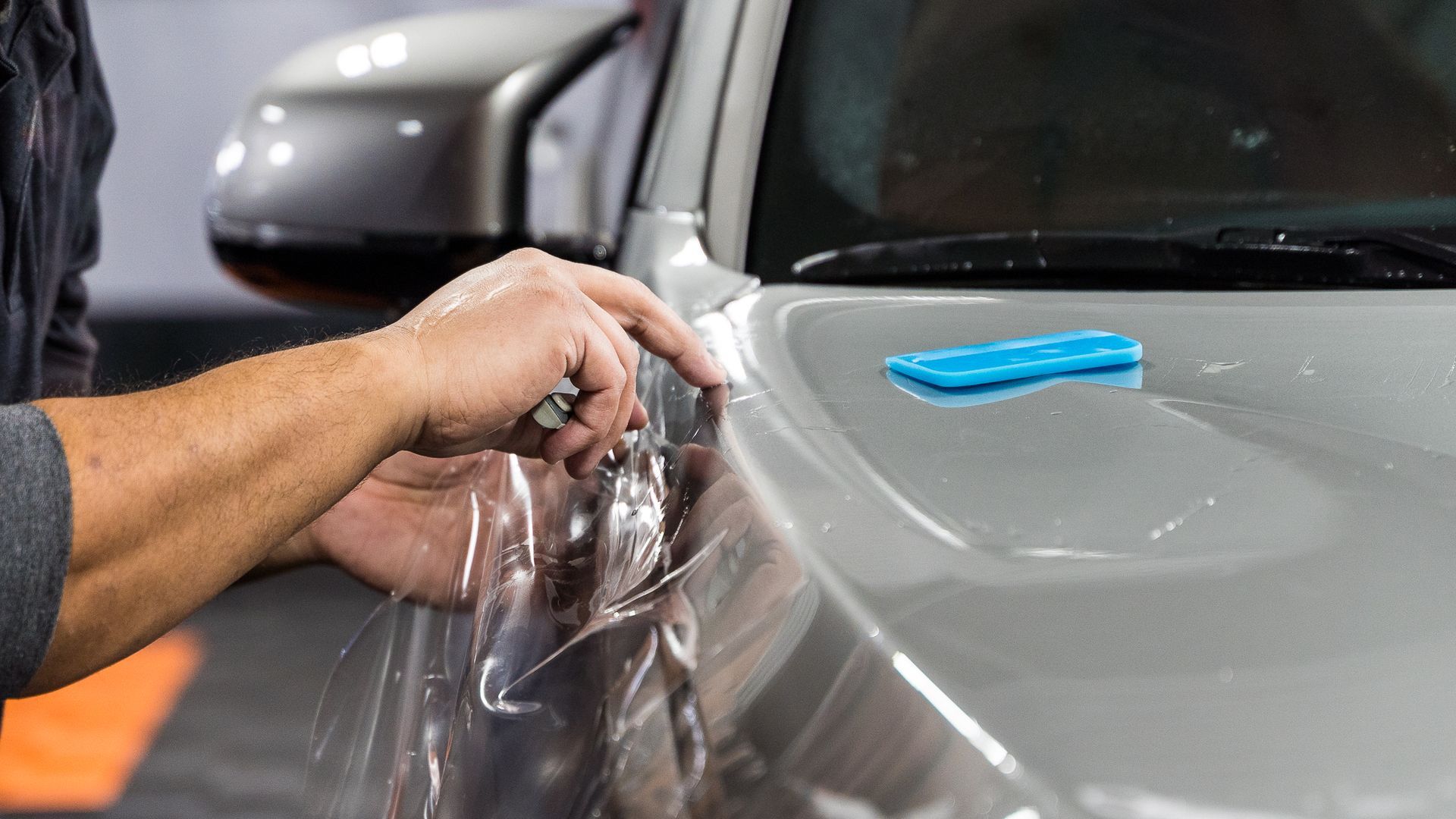
The application itself requires both technique and tactile sensitivity. Installers carefully position the film and use squeegees and heat guns to smooth out air pockets and firmly bond the adhesive to the vehicle's surface. Even slight deviations in pressure or angle can affect adhesion quality or result in unsightly wrinkles. A key factor in professional success is timing. PPF materials often feature adhesives that react to temperature and humidity, so installers monitor environmental conditions closely. They also allow for adequate curing time, ensuring the film sets properly without shifting or lifting. Professionals do not rush through these steps. Thoughtful, patient handling produces films that remain invisible while delivering strong, lasting protection.
Essential Tools for Application
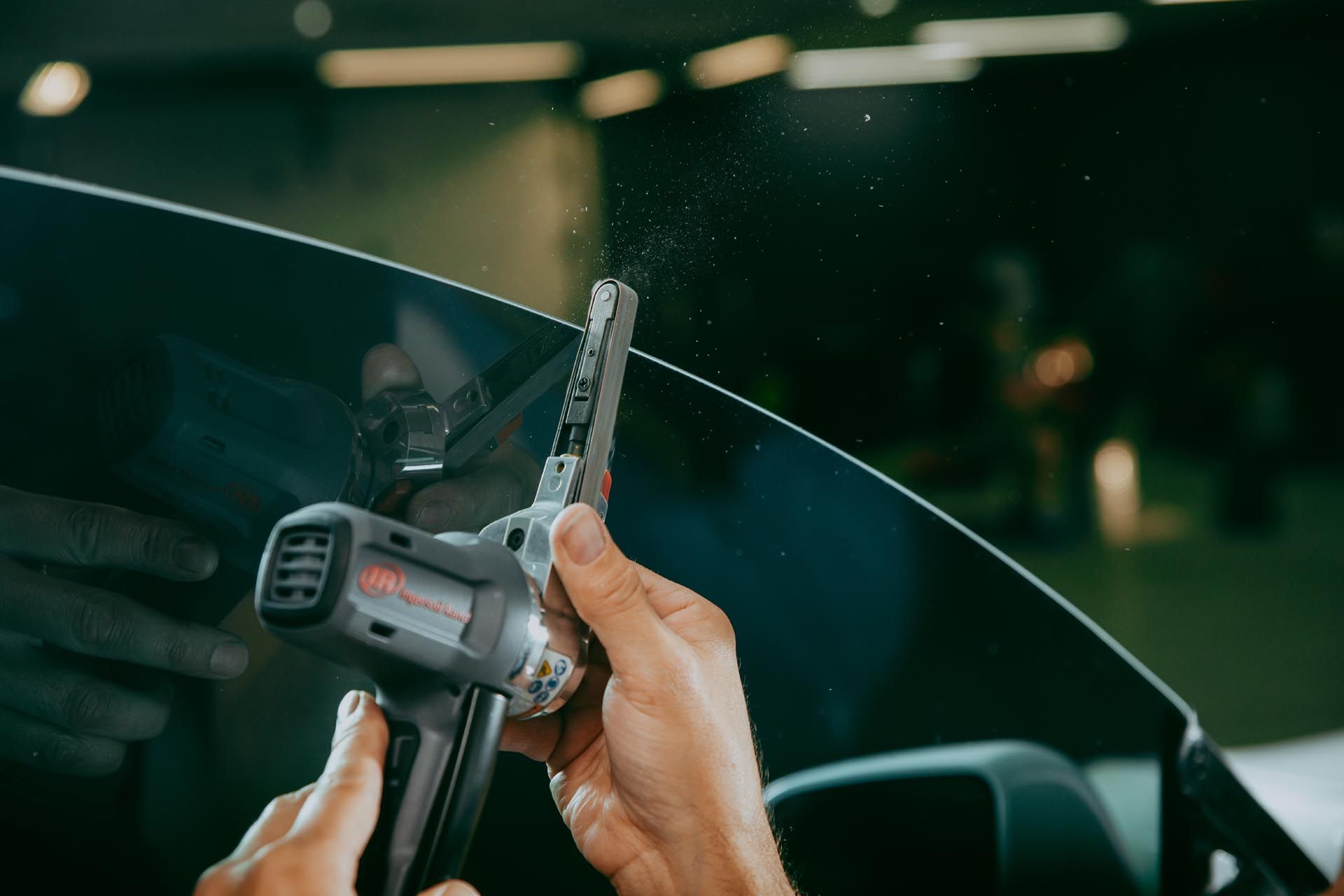
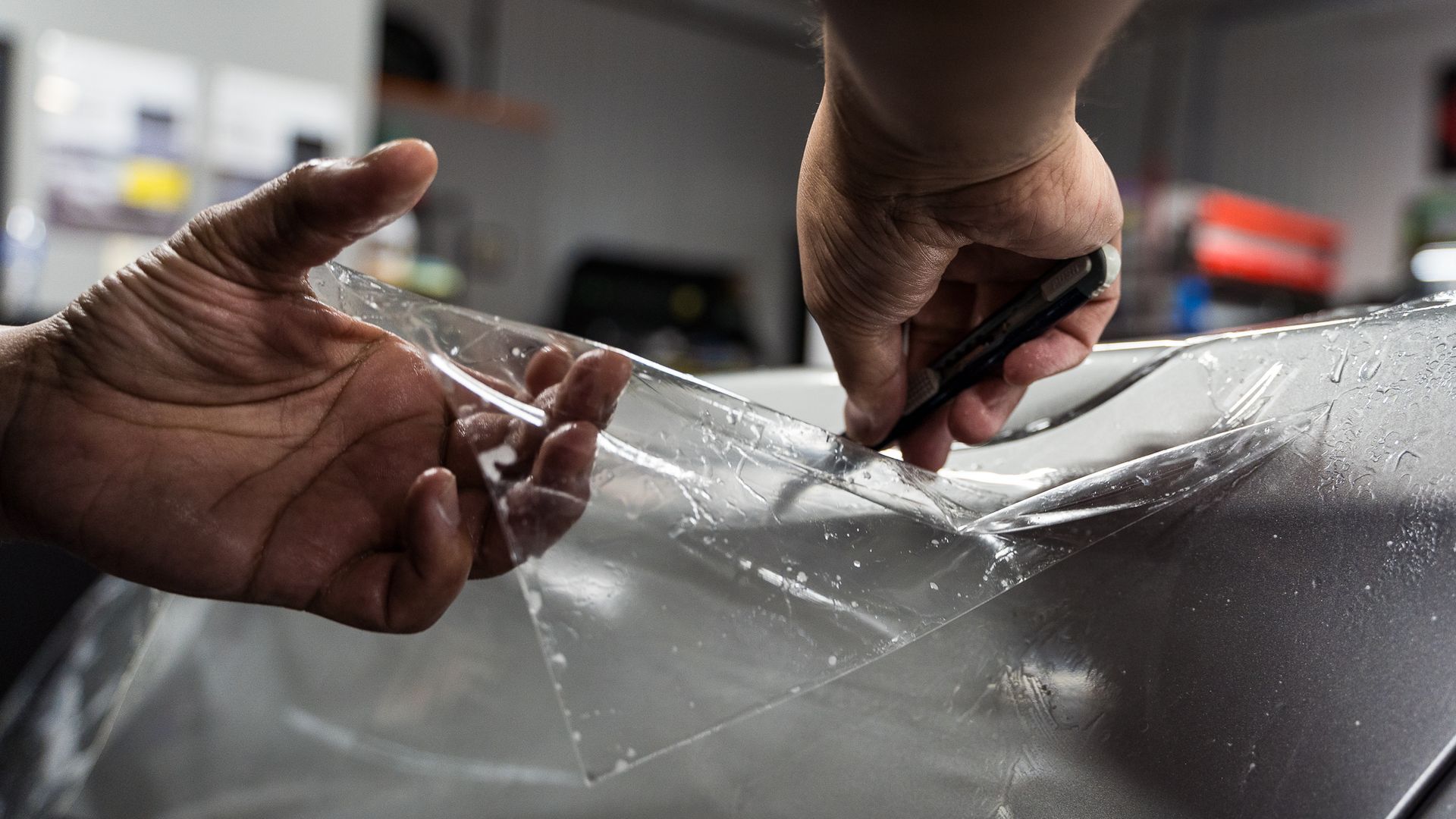
Precision in PPF installation starts not only with skill but also with the quality and appropriateness of the tools used. A carefully chosen set of instruments is what separates a professional finish from a rushed, problematic one. Squeegees are the primary tool against air bubbles and wrinkles. Using the right squeegee provides superior control and pressure distribution, allowing the installer to evenly smooth the film against the vehicle's surface without scratching or tearing it. Cutting tools also demand close attention. Precise trimming around edges, seams, and curves is critical because an uneven cut can expose paint or cause premature peeling. Professionals invest in specialty blades that stay sharp longer while minimizing the risk of accidental damage to the paint beneath.
Another fundamental tool is the spray bottle filled with a slip solution, typically a mixture of water and a small amount of specialized detergent. This solution allows installers to slide and reposition the film smoothly across large panels before final adhesion sets. Applying PPF without it would make positioning rigid, prone to wrinkling, and nearly impossible to correct once placed. Heat guns play a vital role in conforming film around three-dimensional shapes. The film has elastic memory and, when gently warmed, can be stretched to hug tight corners or curves seamlessly. Too much heat risks warping the film, while too little makes it stiff and unforgiving. Experienced hands know exactly how to strike the right balance. Finally, cleaning tools such as microfiber cloths are indispensable prior to application. Even a tiny speck of dust trapped under PPF can cause bubbles that grow over time or create visible blemishes beneath what should be a crystal-clear layer of protection.
Techniques for Seamless Coverage
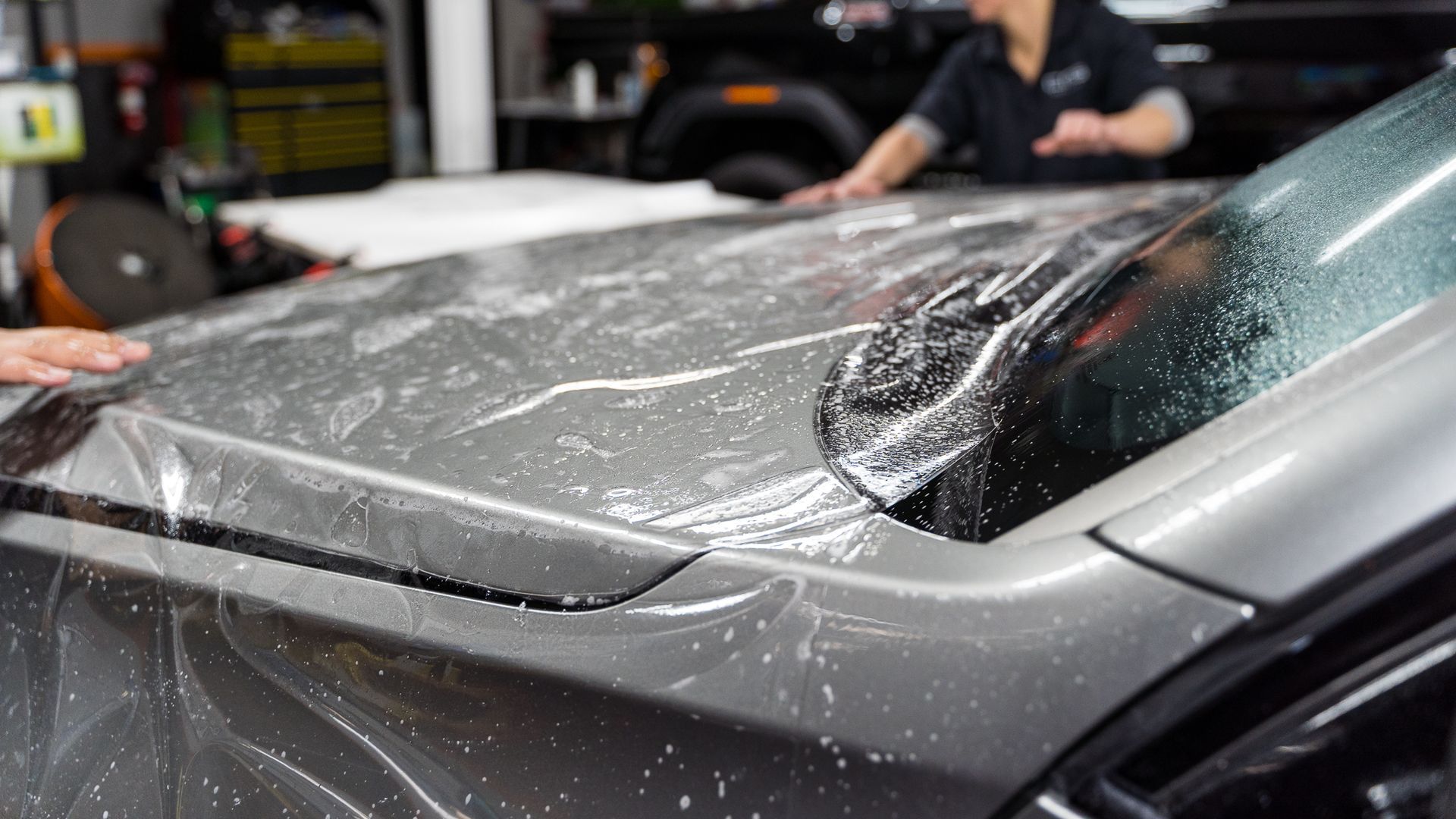
The foundation of seamless PPF coverage lies in meticulous surface preparation. Before anything touches the car's paint, every trace of dirt, oil, or residue must be removed using specialized cleansers that eliminate microscopic contaminants invisible to the naked eye but critical to adhesion. Once the surface is clean, the application begins with a slip solution that acts as a lubricant on the paint. This allows installers to slide and reposition the film multiple times without it sticking prematurely, making precise alignment achievable even on complex panels and curves.
After positioning the film accurately, squeegee work begins. Professional PPF installers press firmly from the center of each section outward in smooth, overlapping strokes, coaxing out trapped air pockets and excess solution beneath the film. This ensures intimate contact with the paint surface and eliminates visible imperfections. In areas where vehicle contours demand more attention, such as wheel arches or mirror housings, installers use stretching techniques. By carefully warming and stretching the film along intricate curves, they shape it snugly without introducing folds or creases. This step requires patience and skill honed through extensive hands-on experience because overstretching risks thinning or distorting the film, while understretching leaves gaps vulnerable to water ingress or peeling.
Precision in Every Detail
Achieving true precision when applying PPF means going beyond simply draping film over a surface. It demands a level of craftsmanship where every millimeter matters. Installers cut, position, and shape the film so that it hugs every contour without bulging, lifting, or visible overlap, ensuring the protection is not only functional but also completely invisible. Using advanced software, professionals create templates tailored precisely for each vehicle make and model. This digital approach acts as a guide for custom-cutting the film before it ever touches the paint, removing guesswork from installation and reducing errors that would compromise both effectiveness and appearance.
Even with perfect digital patterns, the real test begins when positioning the film on the car itself. Subtle curves, edges around door handles, and complex bumper shapes demand a steady hand and an experienced eye. Installers carefully stretch and squeegee the material to eliminate air bubbles and wrinkles, ensuring every inch seals seamlessly against the surface. Precision also extends to material choice. High-quality films designed for ease of installation and conformability reduce complications during application. Films that resist yellowing or peeling maintain their invisibility over the years, which is critical given that poor fitment paired with inferior materials accelerates degradation.
The Benefits of Professional PPF
One of the greatest advantages of professionally installed PPF is enhanced protection against the daily hazards a vehicle faces. Road debris such as stones and gravel can chip and scratch paint. Environmental factors like UV rays, acid rain, and bird droppings wear down a car's finish over time. A high-quality PPF applied by a skilled installer acts as a sacrificial barrier, absorbing these impacts before they reach the paint beneath. Beyond protection, PPF contributes significantly to aesthetic preservation. Today's vehicles are designed with intricate paint finishes that reflect quality and craftsmanship. Professionally installed PPF preserves that freshly painted appearance far longer by maintaining a glossy, smooth surface. The film's self-healing properties mean that minor everyday scratches tend to disappear with heat exposure, keeping the car looking pristine without constant polishing or waxing.
Cost-effectiveness is another strong incentive. While there is an upfront cost associated with professional installation, it pays dividends over the life of vehicle ownership. Repainting panels or repairing chipped paint can become expensive. Durable PPF minimizes these risks by preventing common wear and tear efficiently. Vehicles protected with professionally applied PPF consistently retain stronger resale value, as unblemished paint signals careful ownership and gives potential buyers confidence. Ultimately, professional PPF is not merely about applying a protective coat. Professional PPF not only preserves value, maintains appearance, and provides peace of mind every time you drive. Trusting certified experts ensures the best fit, finish, and protection, turning everyday driving into a confident and well-protected experience.
Expert PPF Installation in Glendale Heights, IL
Umbra Window Tinting specializes in
high-quality paint protection film services in Glendale Heights, IL, using advanced tools and proven techniques to achieve smooth, uniform results. Each application is tailored to your vehicle’s body lines for a clean, refined finish that holds up to everyday driving conditions. With durable protection and professional craftsmanship, your paint remains protected and polished.
Schedule your paint protection film installation with Umbra Window Tinting today!